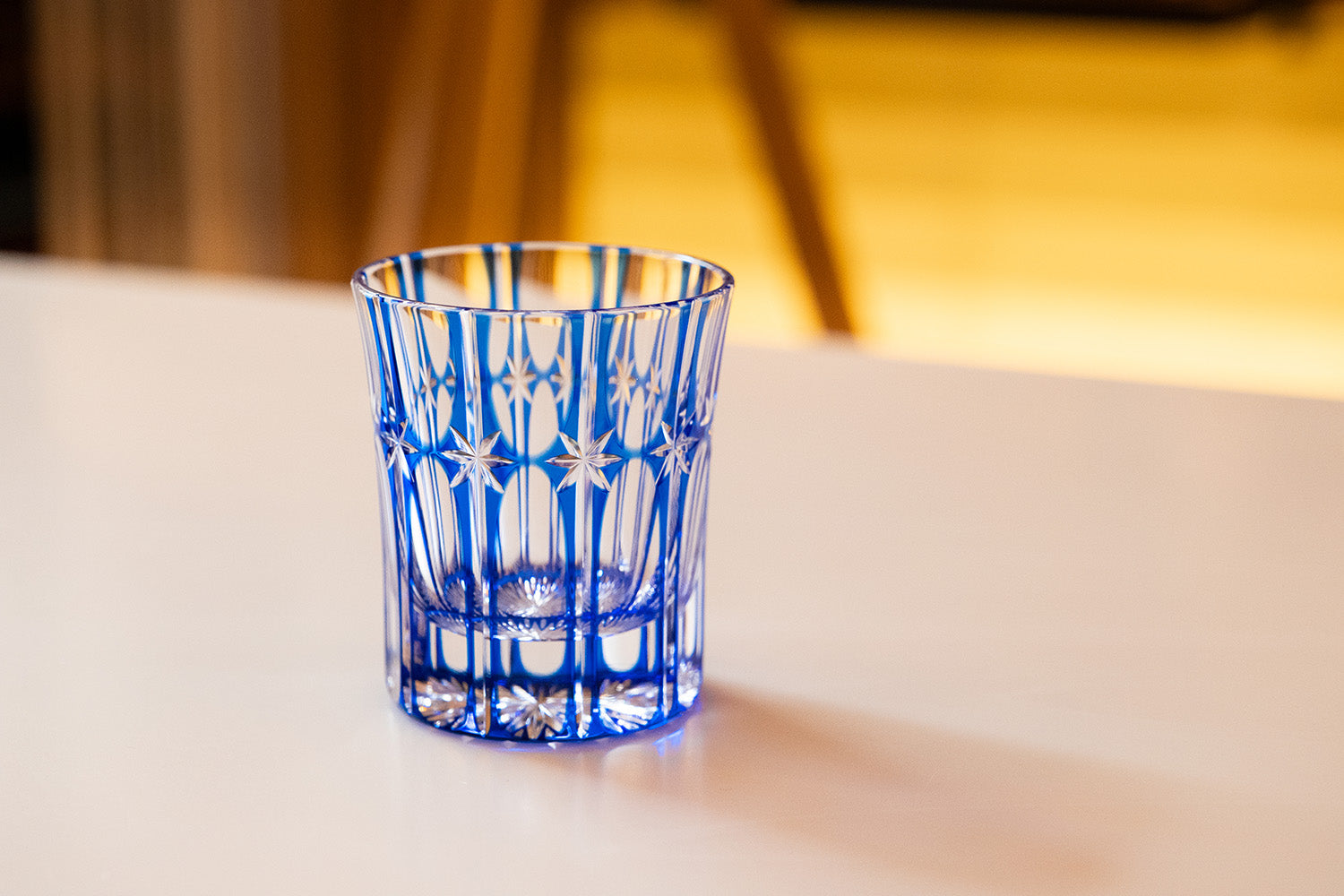
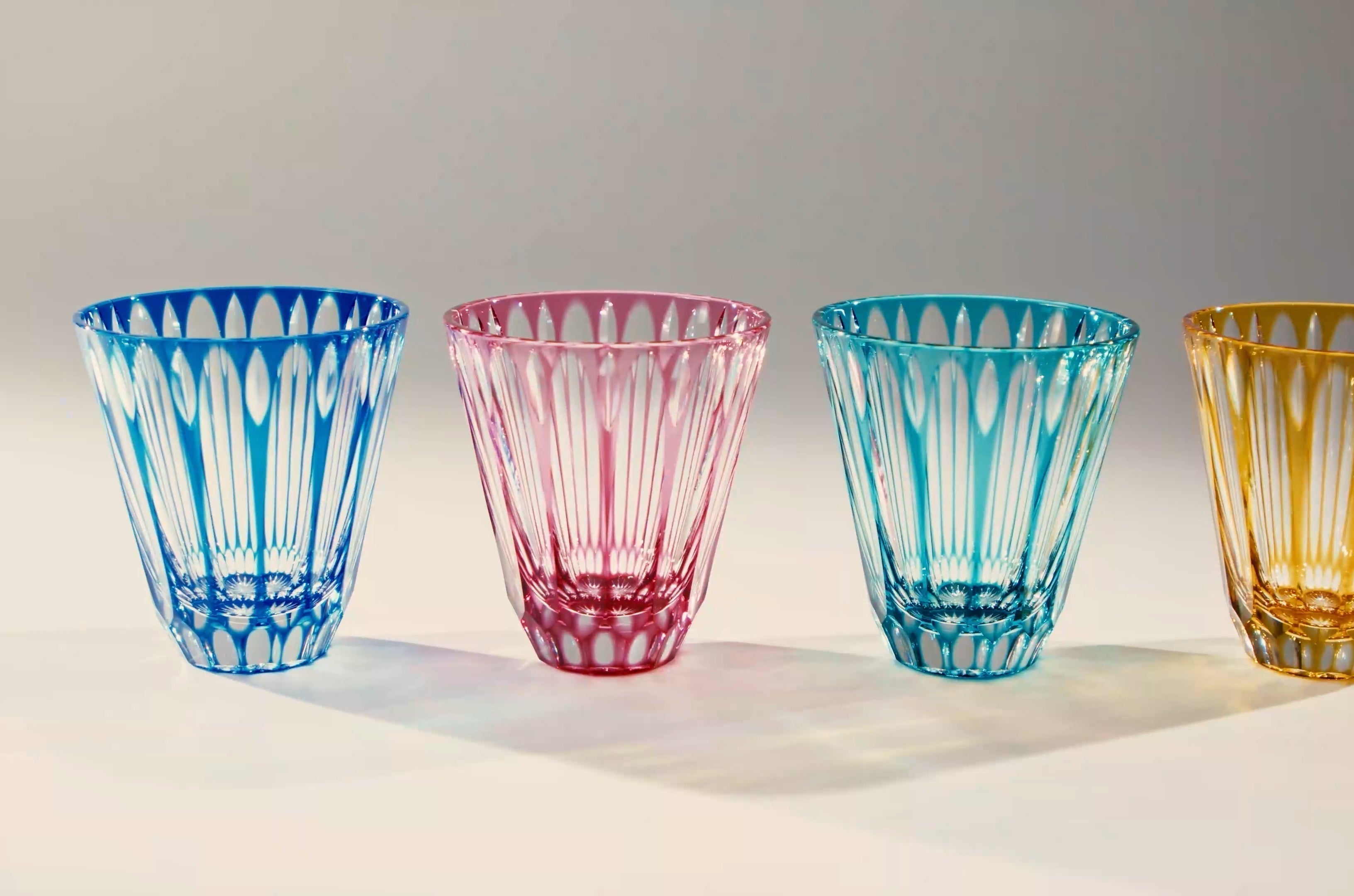
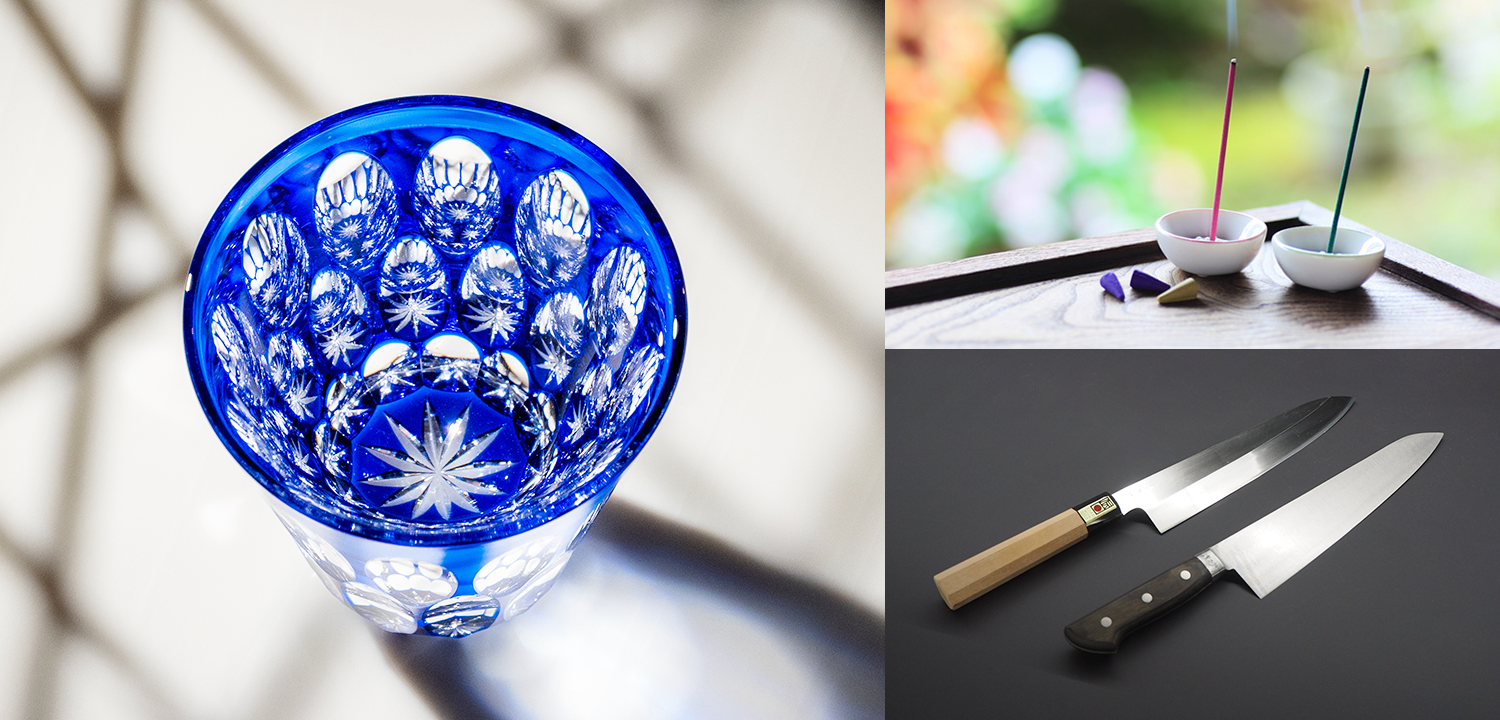
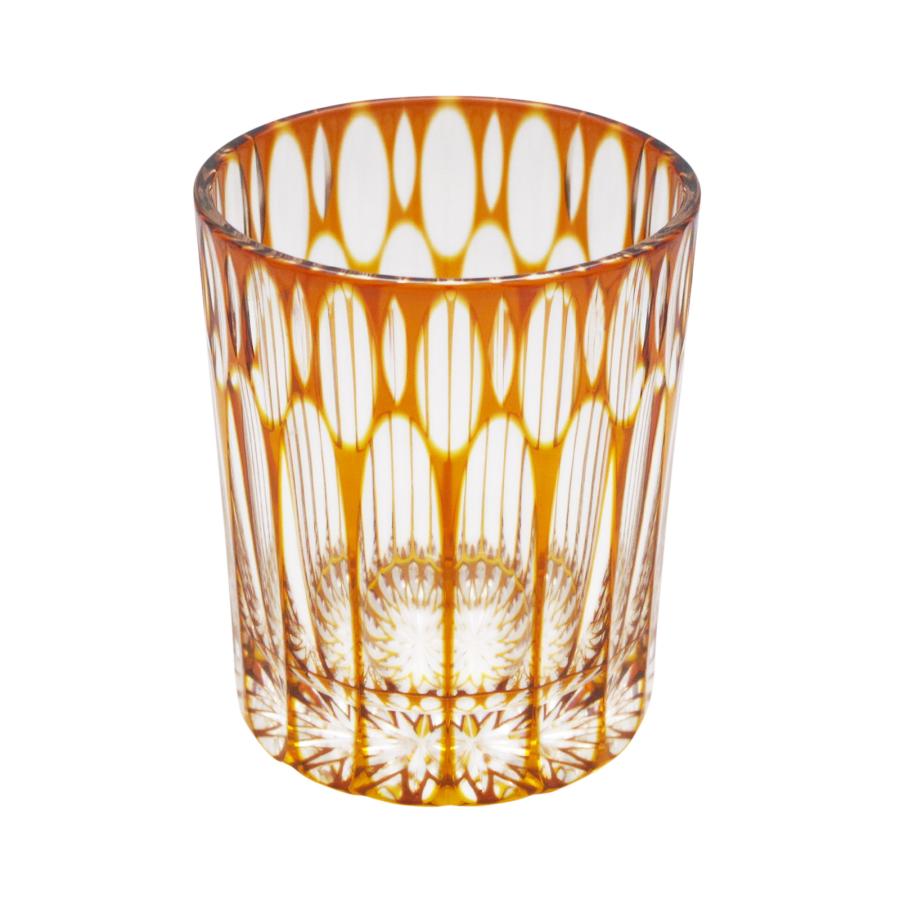
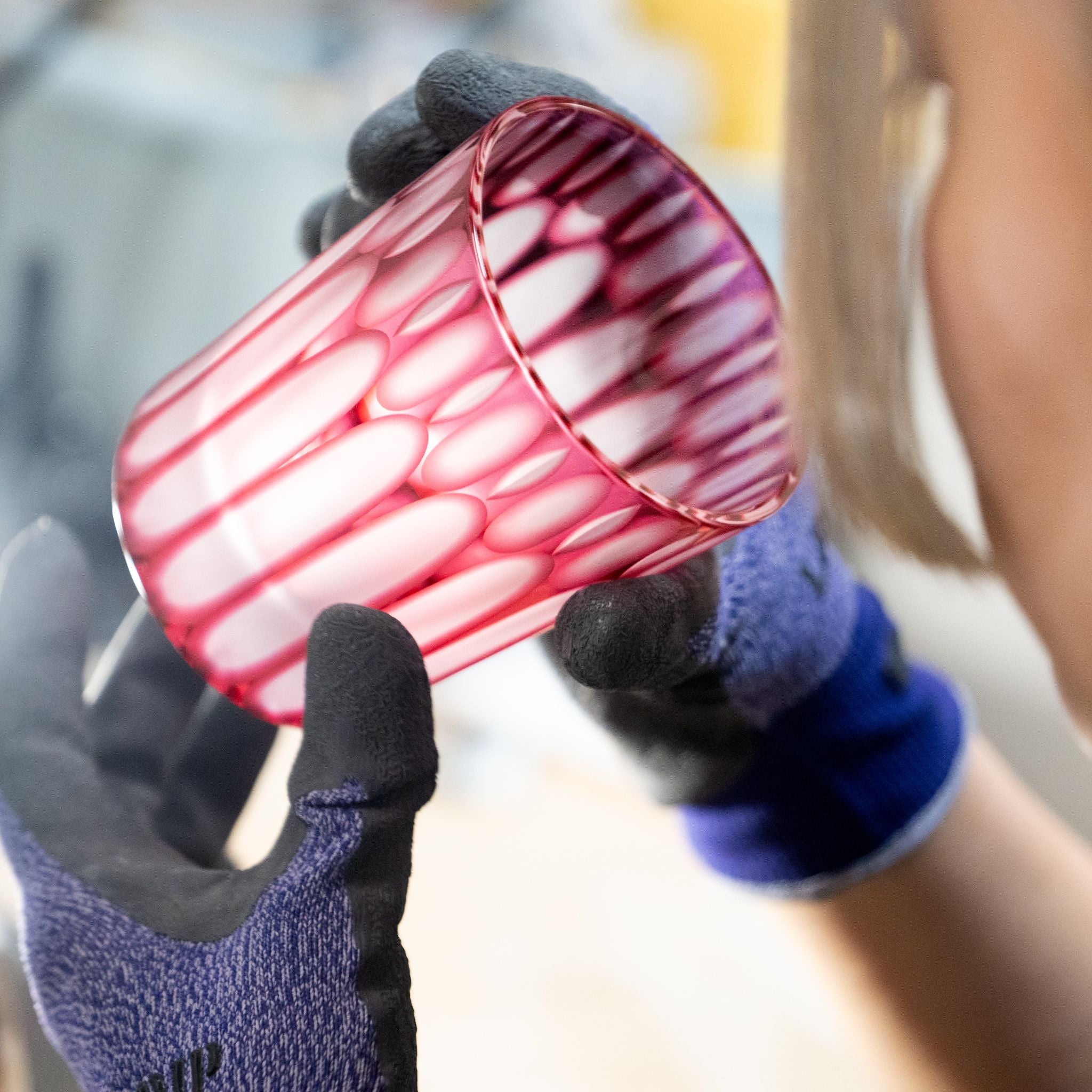
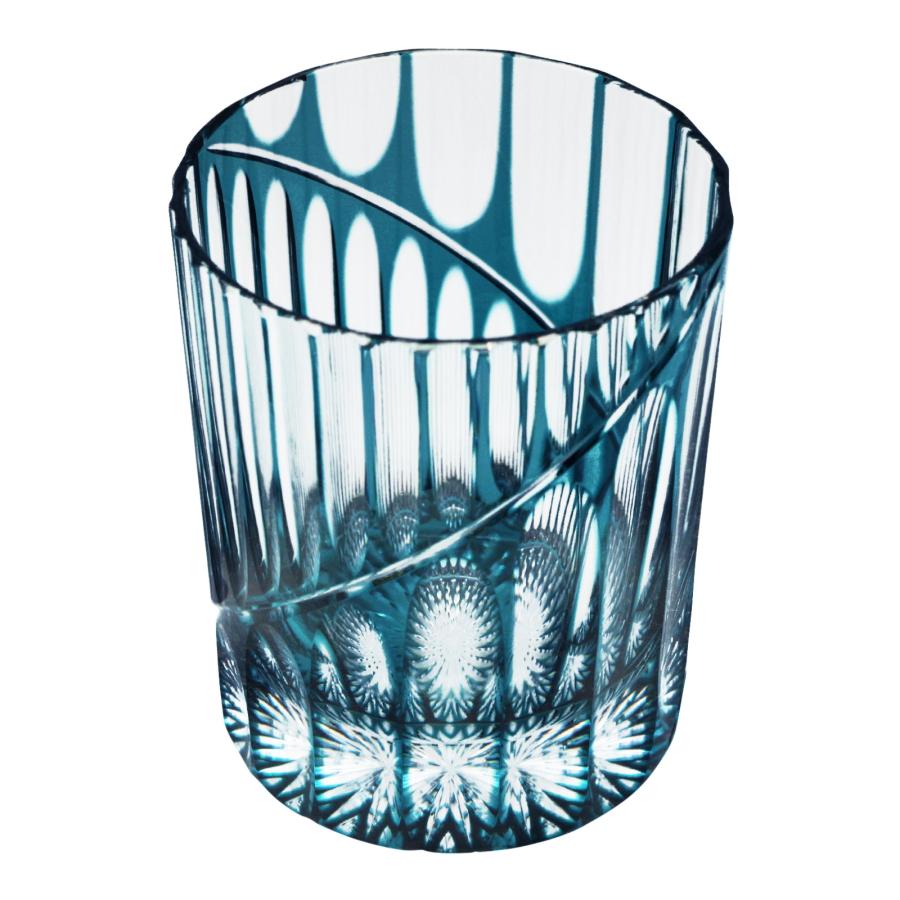
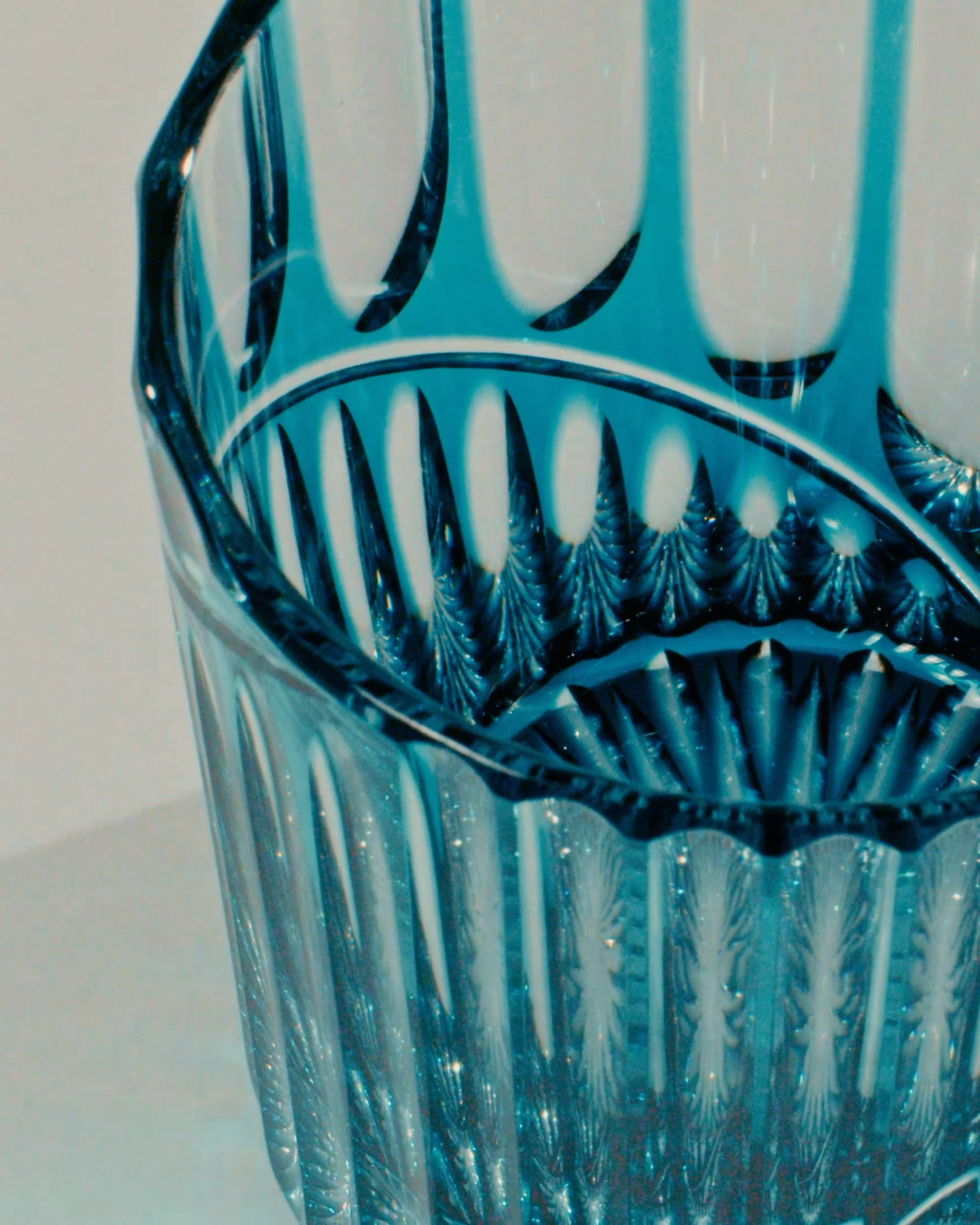
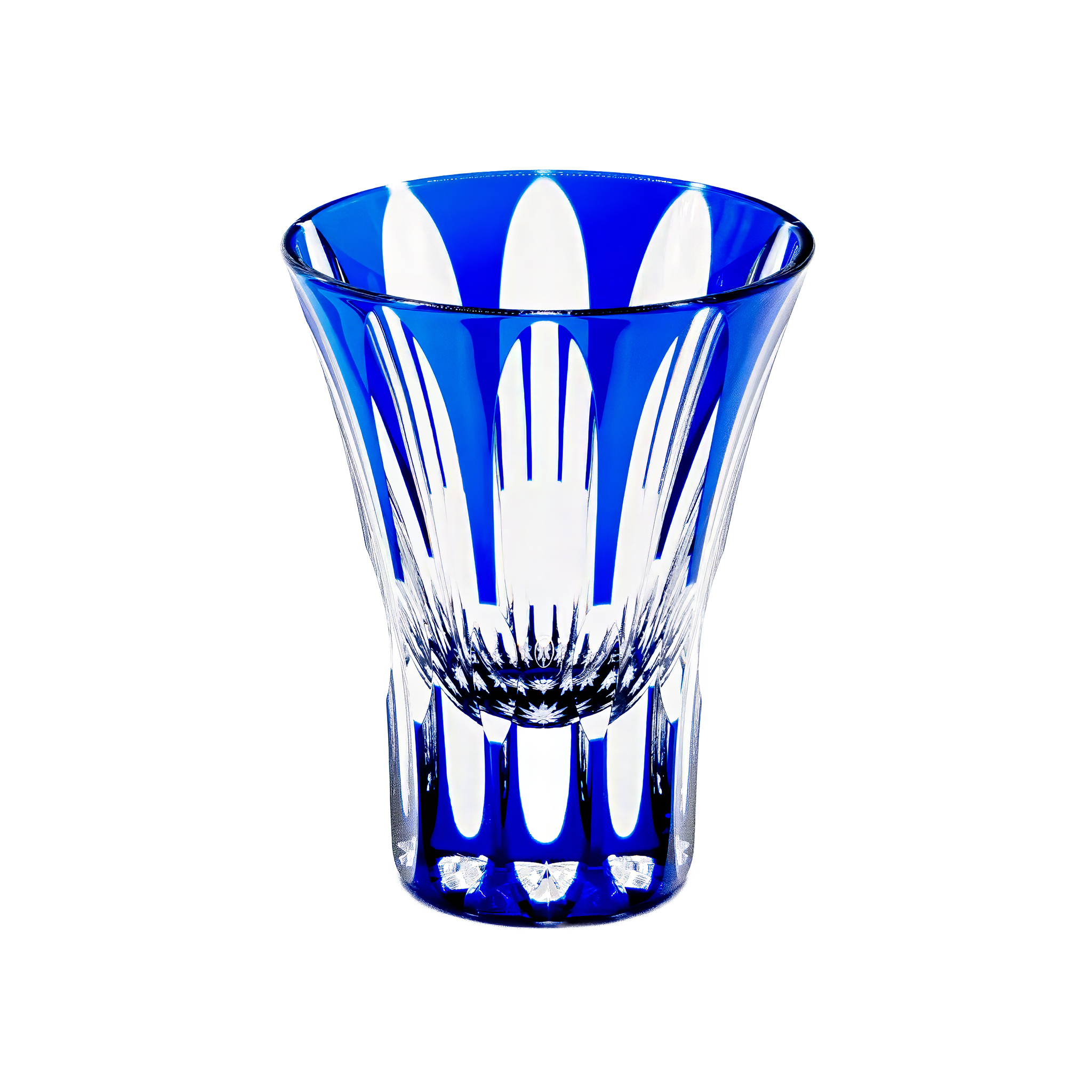
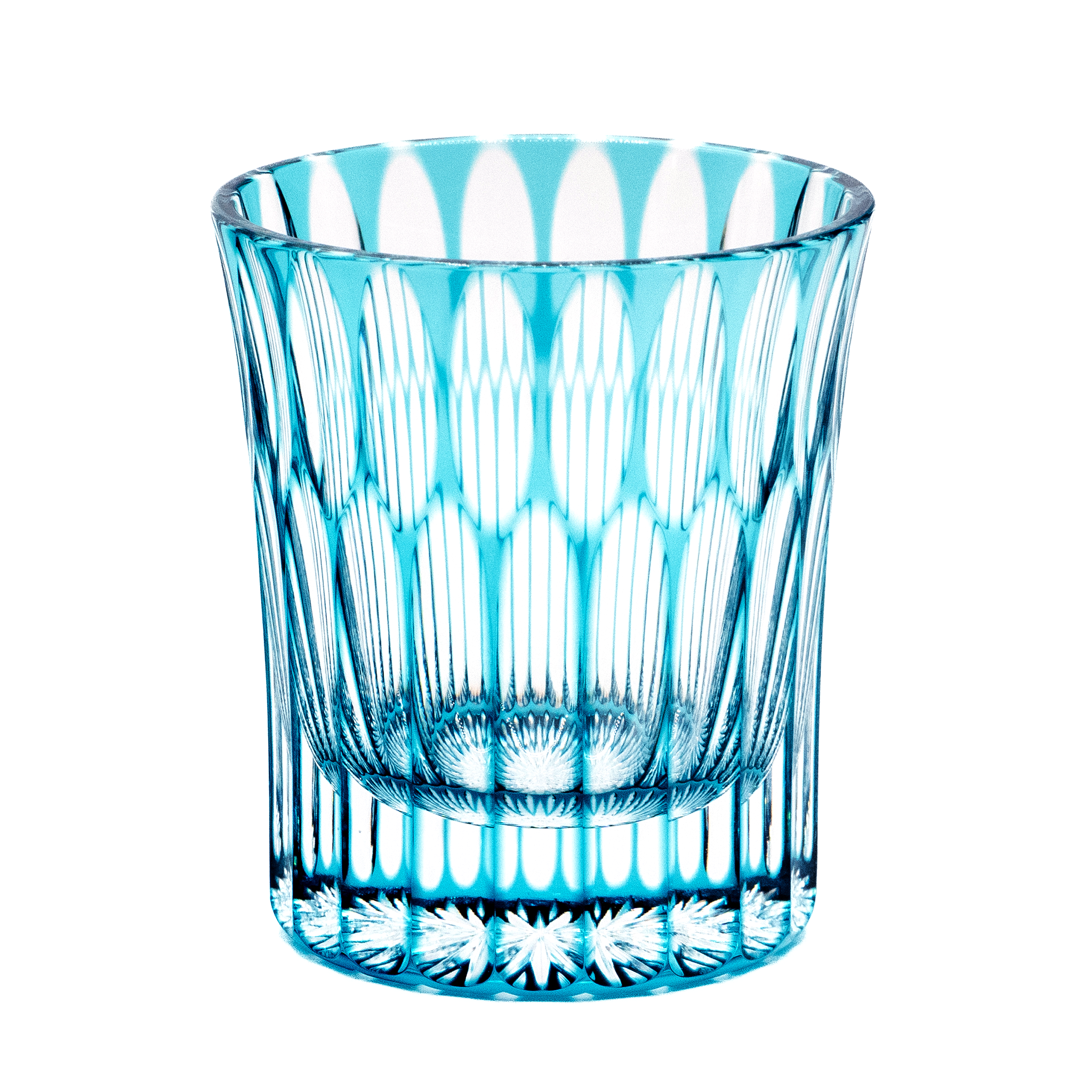
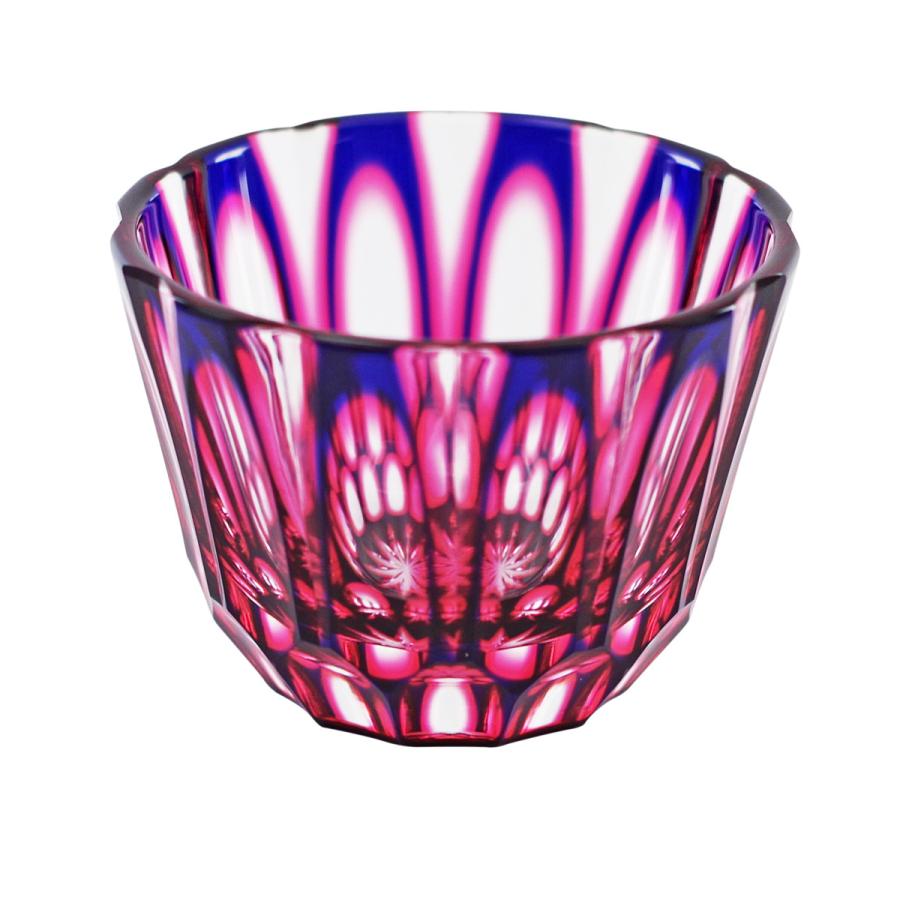
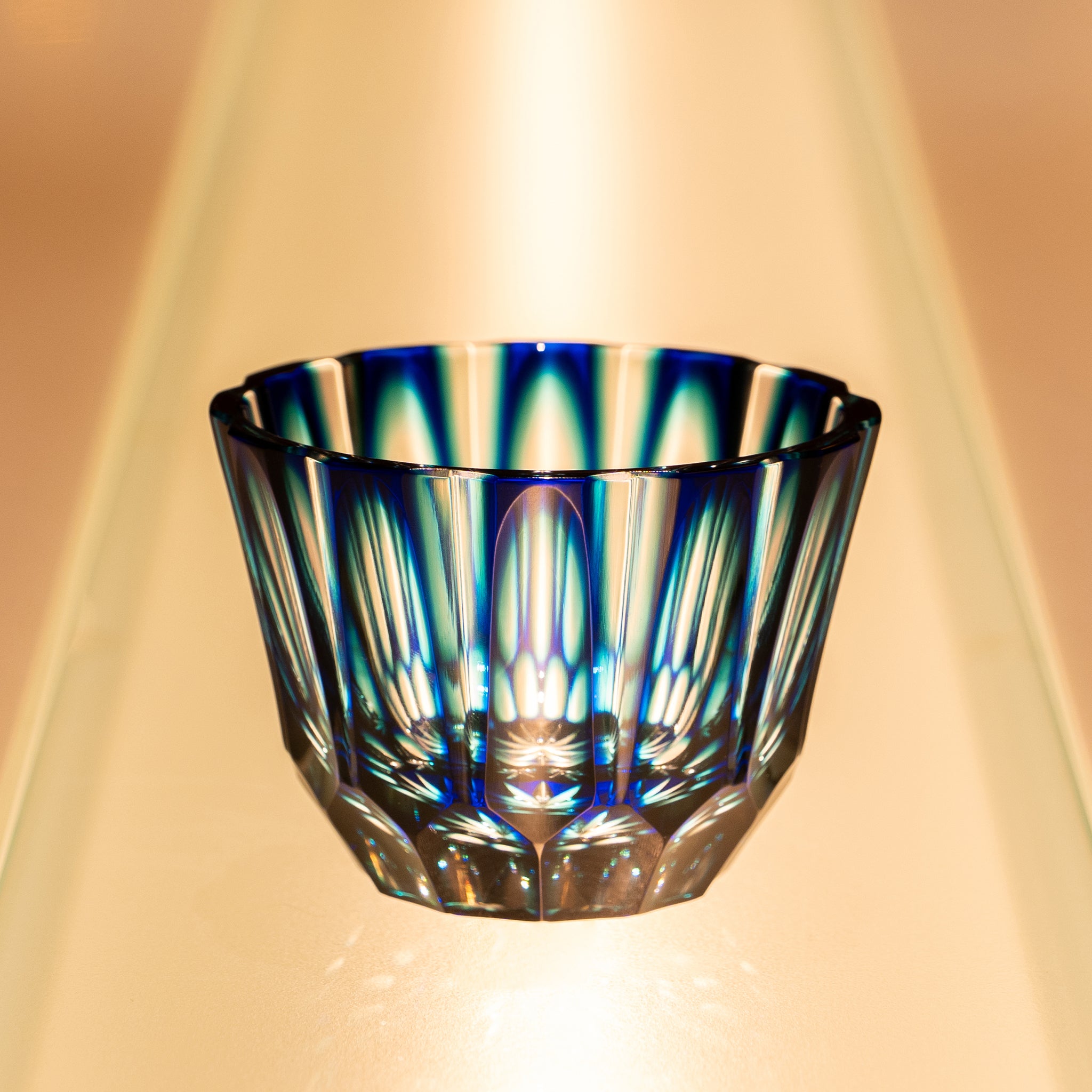
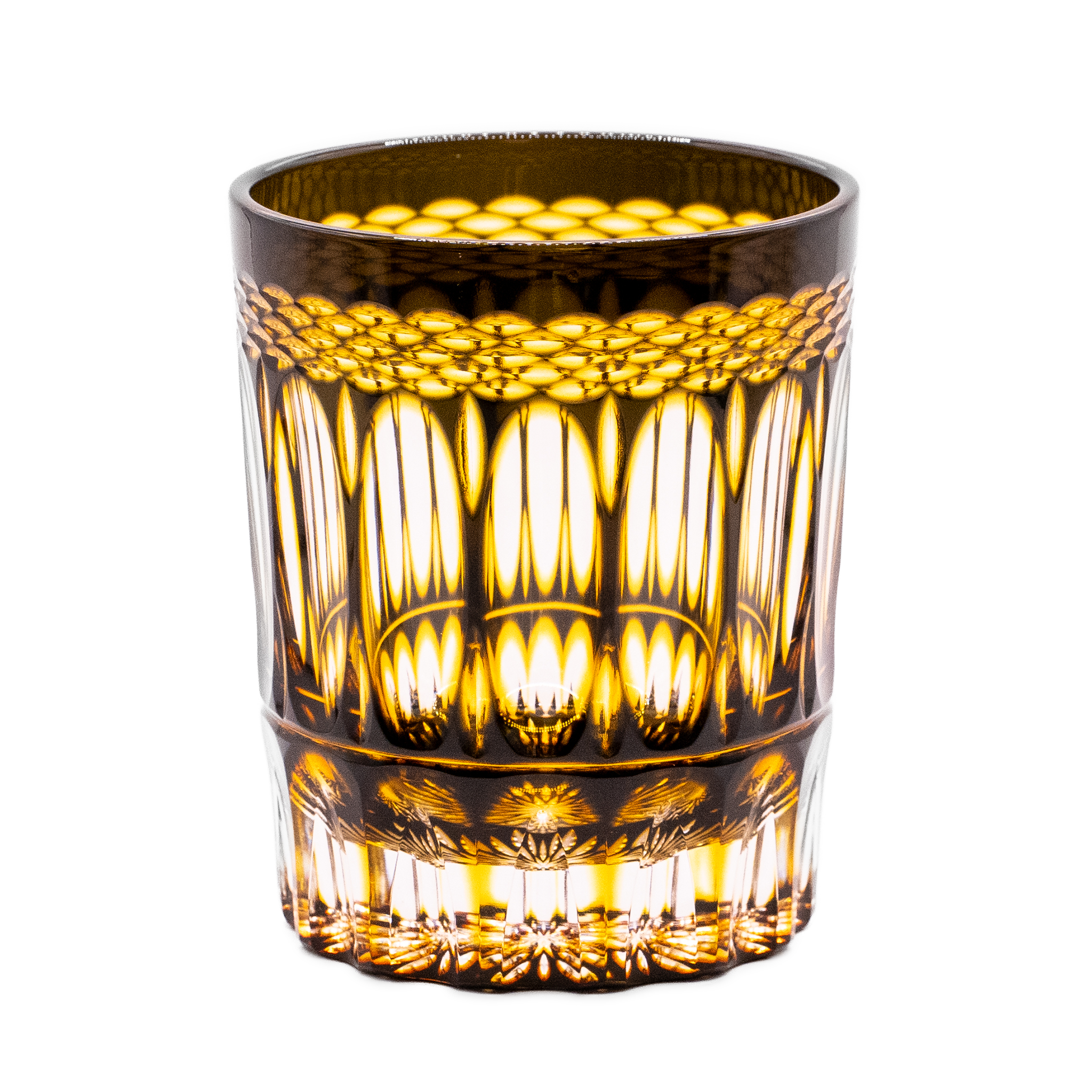
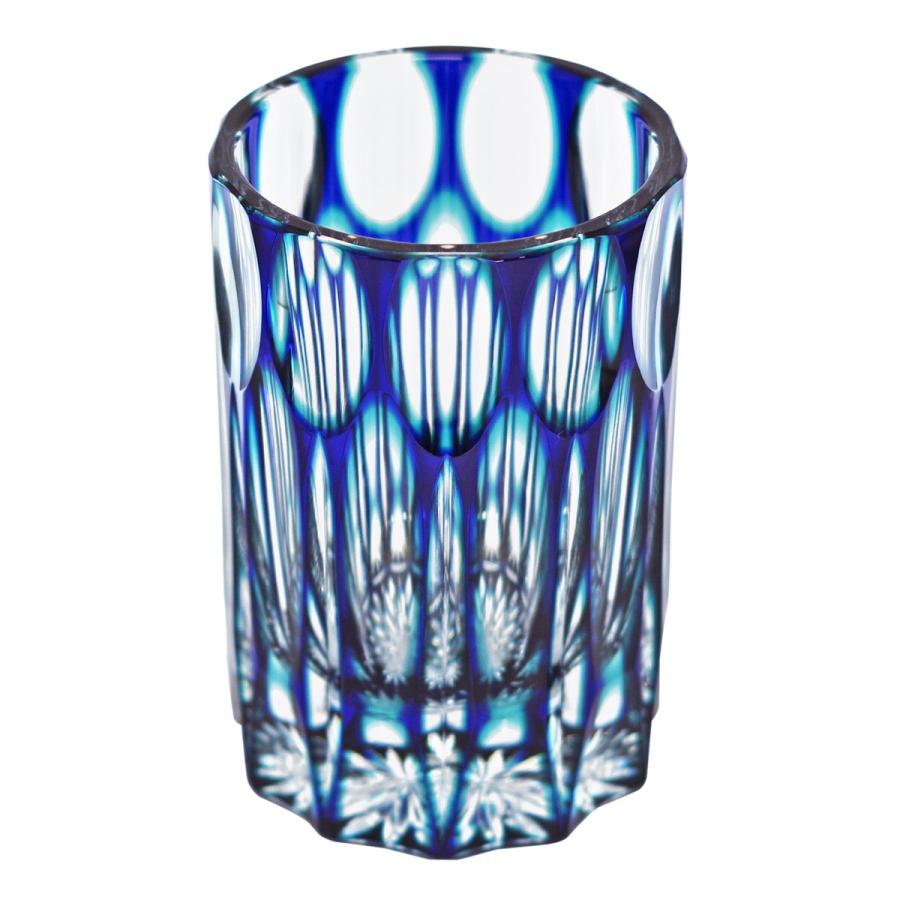
Even in Japan, few people know this: Osaka was once the heart of Japan’s glassmaking industry. If you’ve admired the Edo Kiriko of Tokyo or the colorful Ryukyu glass of Okinawa, this might come as a surprise.
Yet, near the main gate of Osaka Tenmangū Shrine stands a stone monument engraved with “Birthplace of Glass.” This quiet tribute marks the very place where Japanese glass was first made — in the Temma area of Osaka.
How did this city become the cradle of glassmaking? And how does that spirit still shine today?

Birth of Glassmaking in Osaka: From Temma to All of Japan
The story goes back to the mid-1700s, when a merchant named Seibei Harimaya learned European glassmaking techniques through trade with the Dutch in Nagasaki and brought them to Osaka. He began producing glass near Osaka Tenmangū Shrine. Glass existed in Japan long before then, but his work popularized Japanese-made glass, and the craft later spread to Edo (now Tokyo) in the 1800s.
Osaka’s glass industry flourished thanks to its ideal trade routes and access to materials. Companies such as Zojirushi and Toyo-Sasaki Glass can trace their roots back to this heritage. At its peak, hundreds of workshops operated in Osaka, producing about 70% of Japan’s glass.
In recent decades, however, many factories disappeared from once-bustling Temma due to imports and domestic competition. With them, much of Osaka’s glassmaking faded — but not entirely.
Temma Kiriko: Family Legacy Since 1933
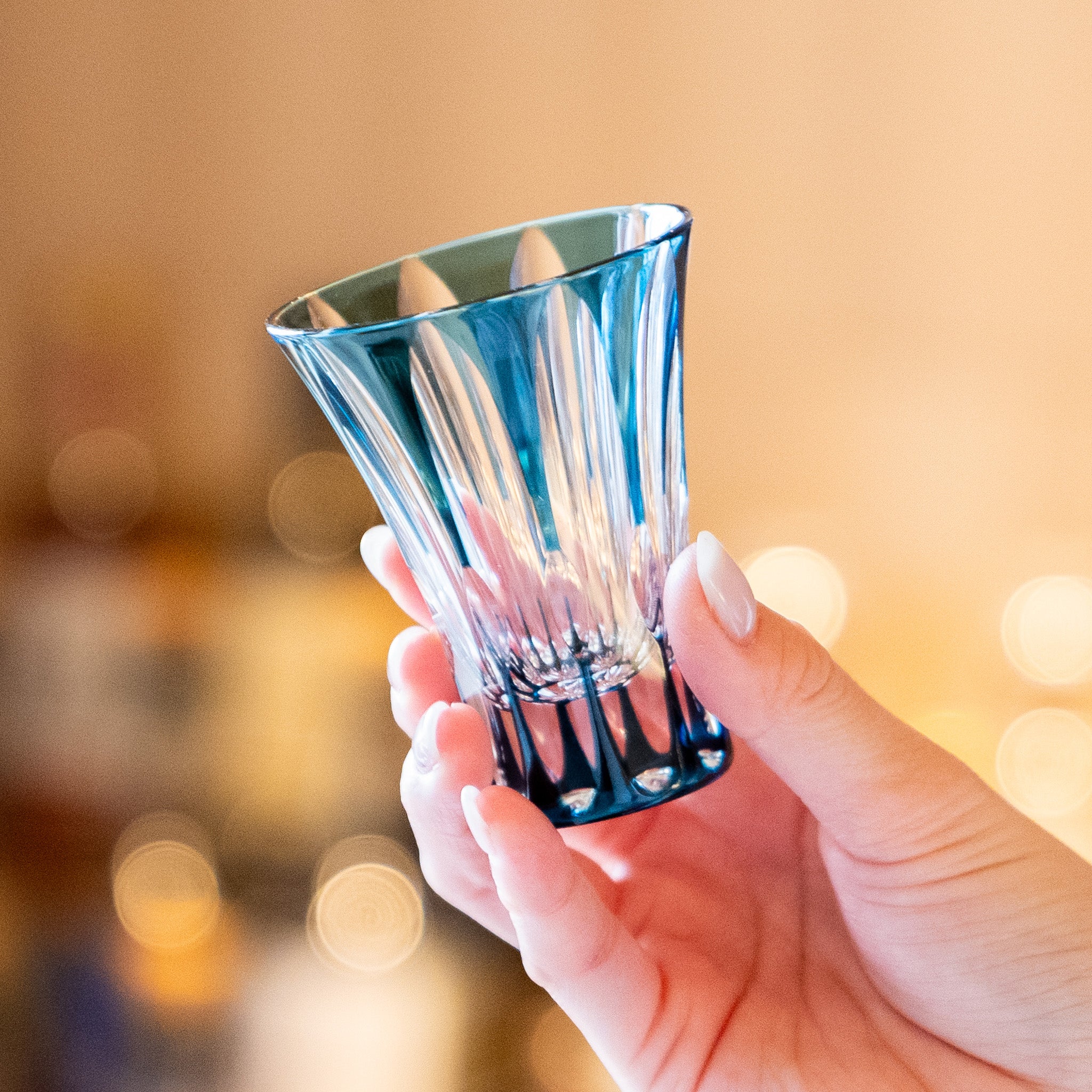
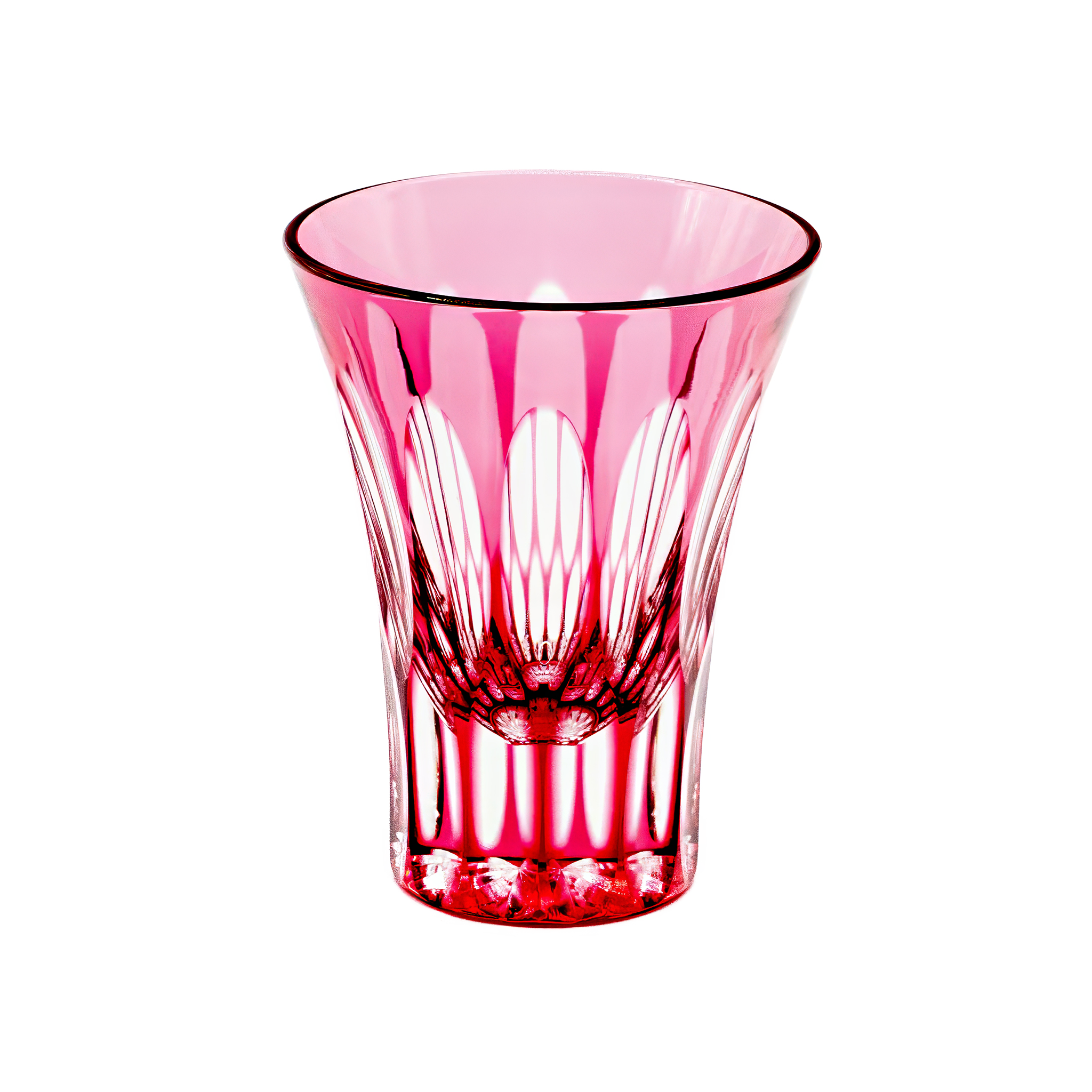
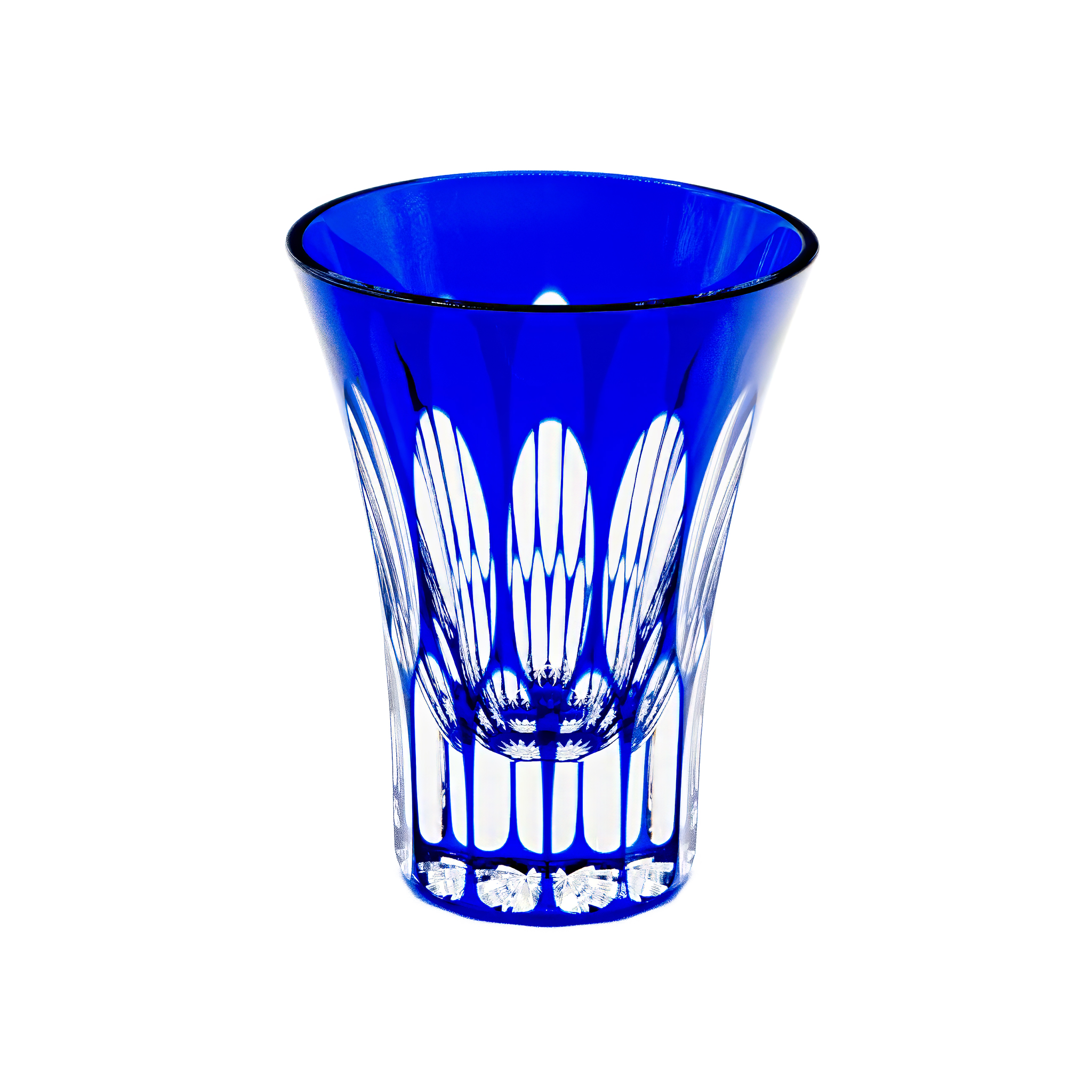
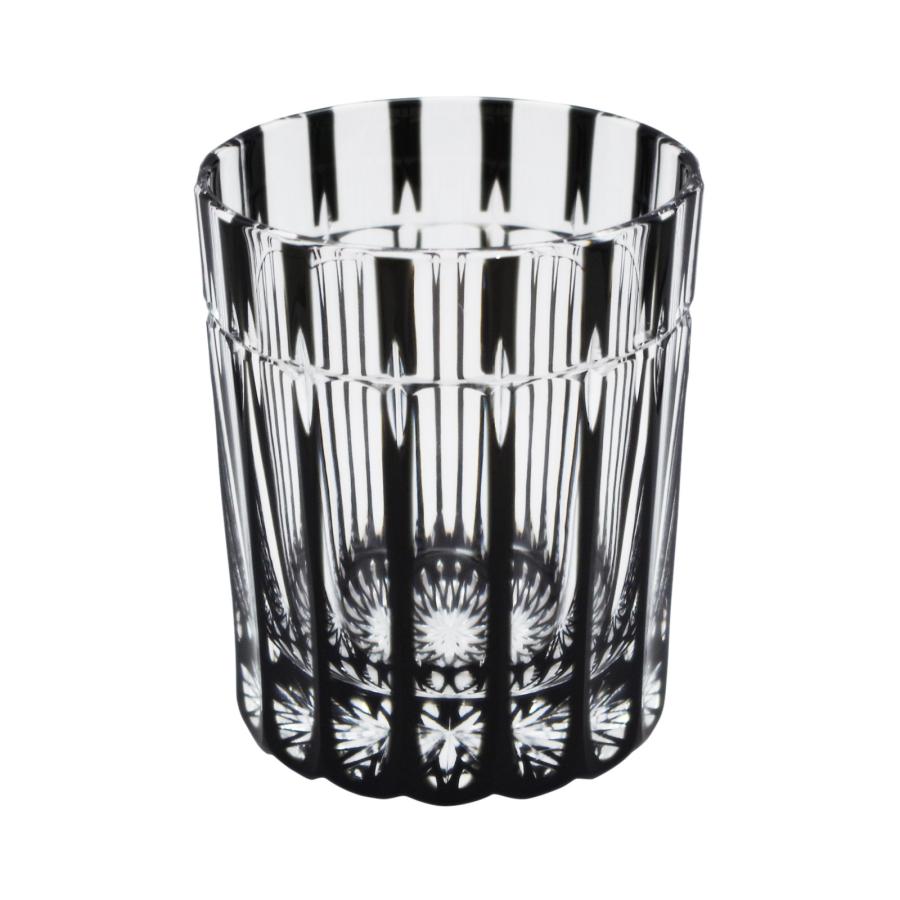
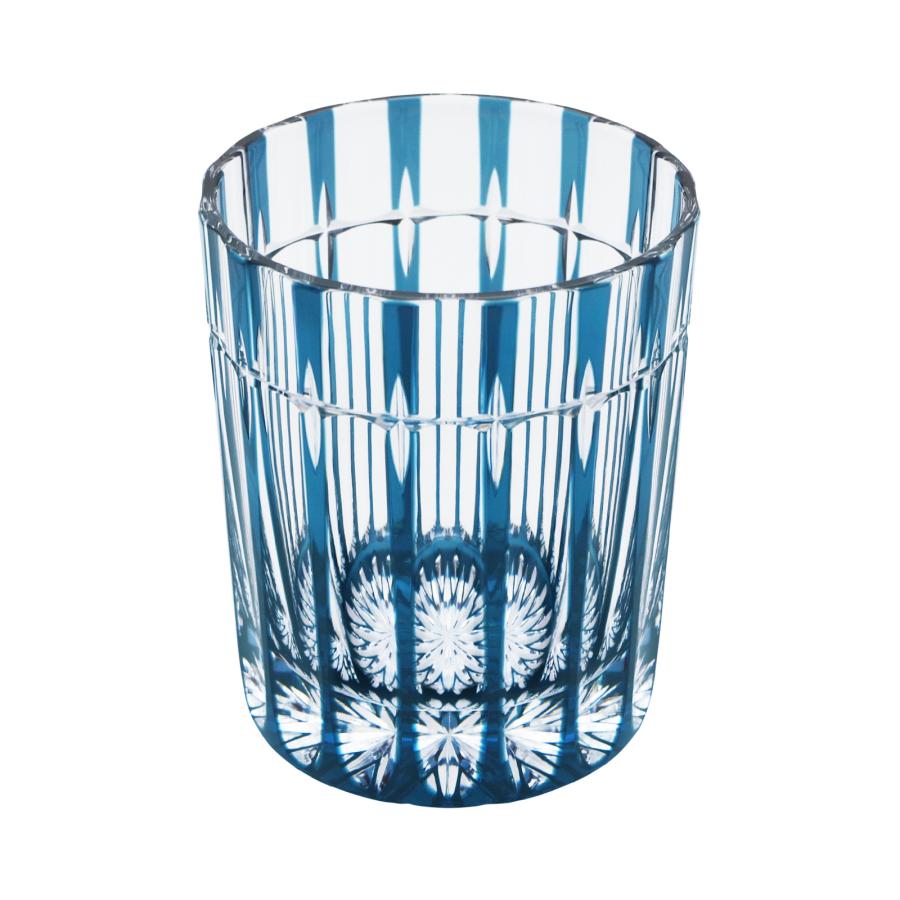
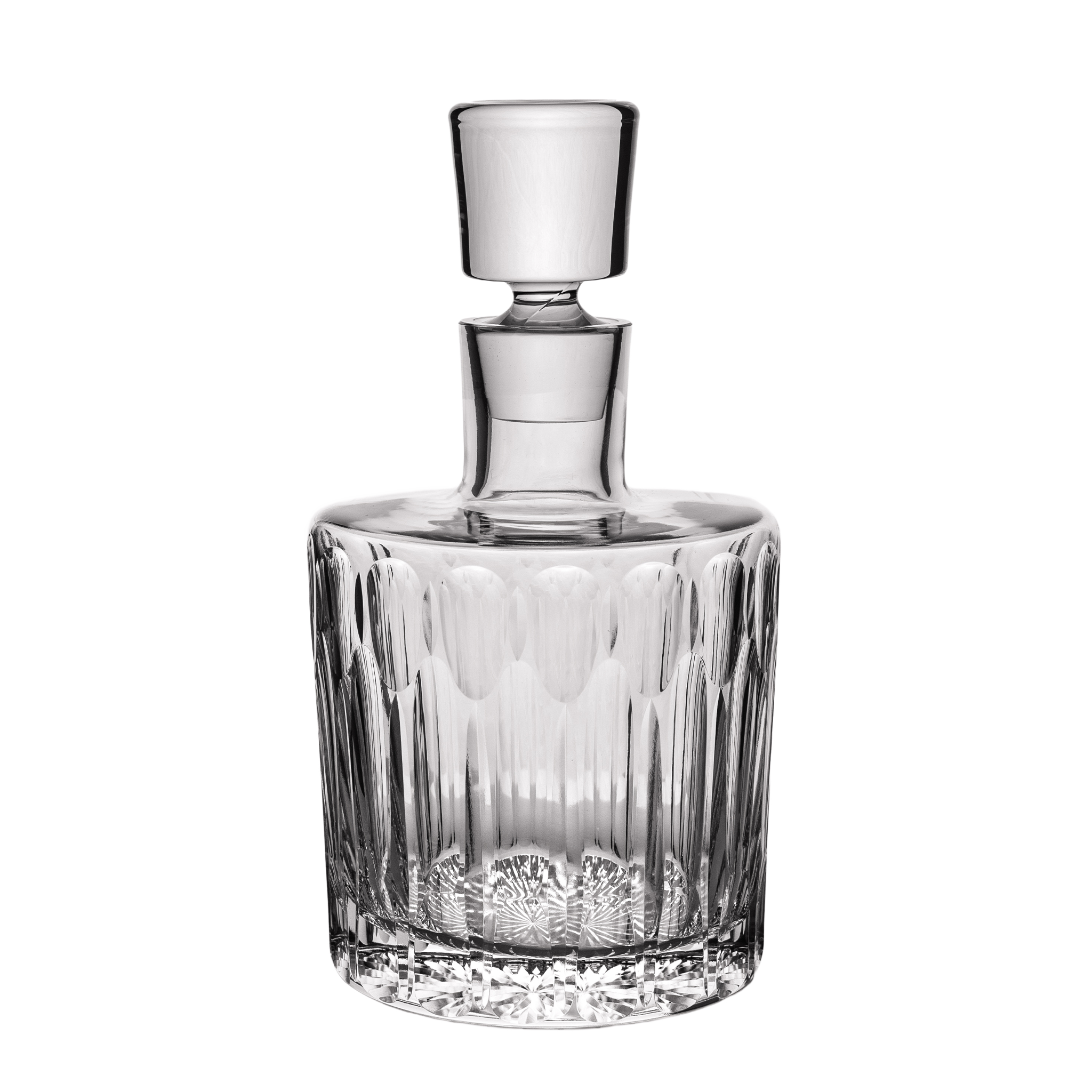
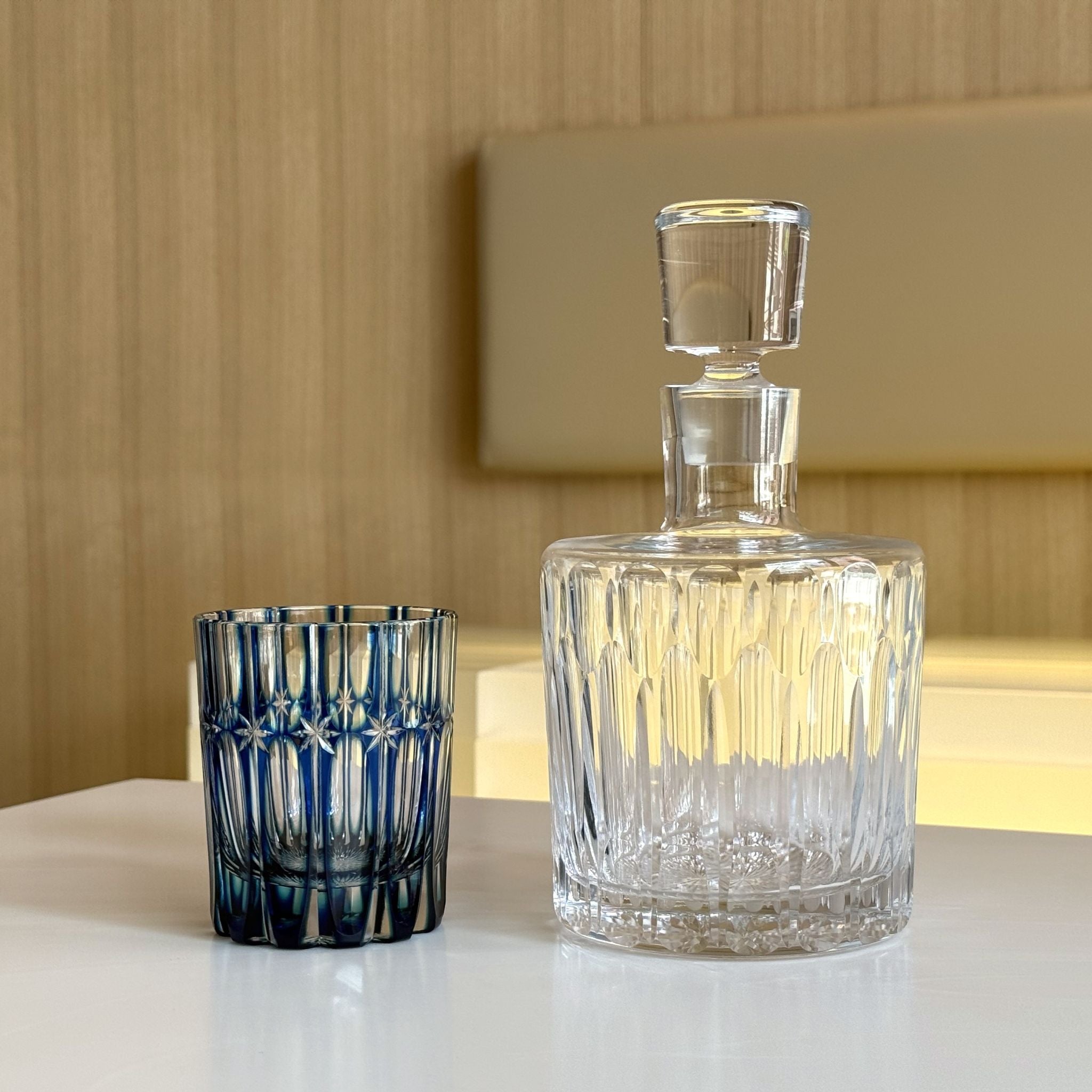
Among the few workshops that endured was the Ura Glass Workshop. The Ura family has carried forward Osaka’s glassmaking spirit, which eventually evolved into what is now known as Temma Kiriko.
The Founder’s Humble Beginning

Sōzaburō Ura began training as a kiriko artisan at thirteen under the long-established Takenaka Glass. At twenty-four, he opened his own workshop in Temma in 1933, producing what was then called Osaka Kiriko.
His business thrived with up to fifteen craftsmen, but there were also hardships. His factory was destroyed in bombings in 1945 and rebuilt five years later. In the years that followed, he faced new challenges: mass production, stricter fire regulations, and the rise of plastics.
The Second Generation’s Challenge for Innovation
In 1960, Sōzaburō’s sons Eiichi and Takeichi took over the workshop. Though apprentices were becoming fewer, their days remained filled with work and creativity.
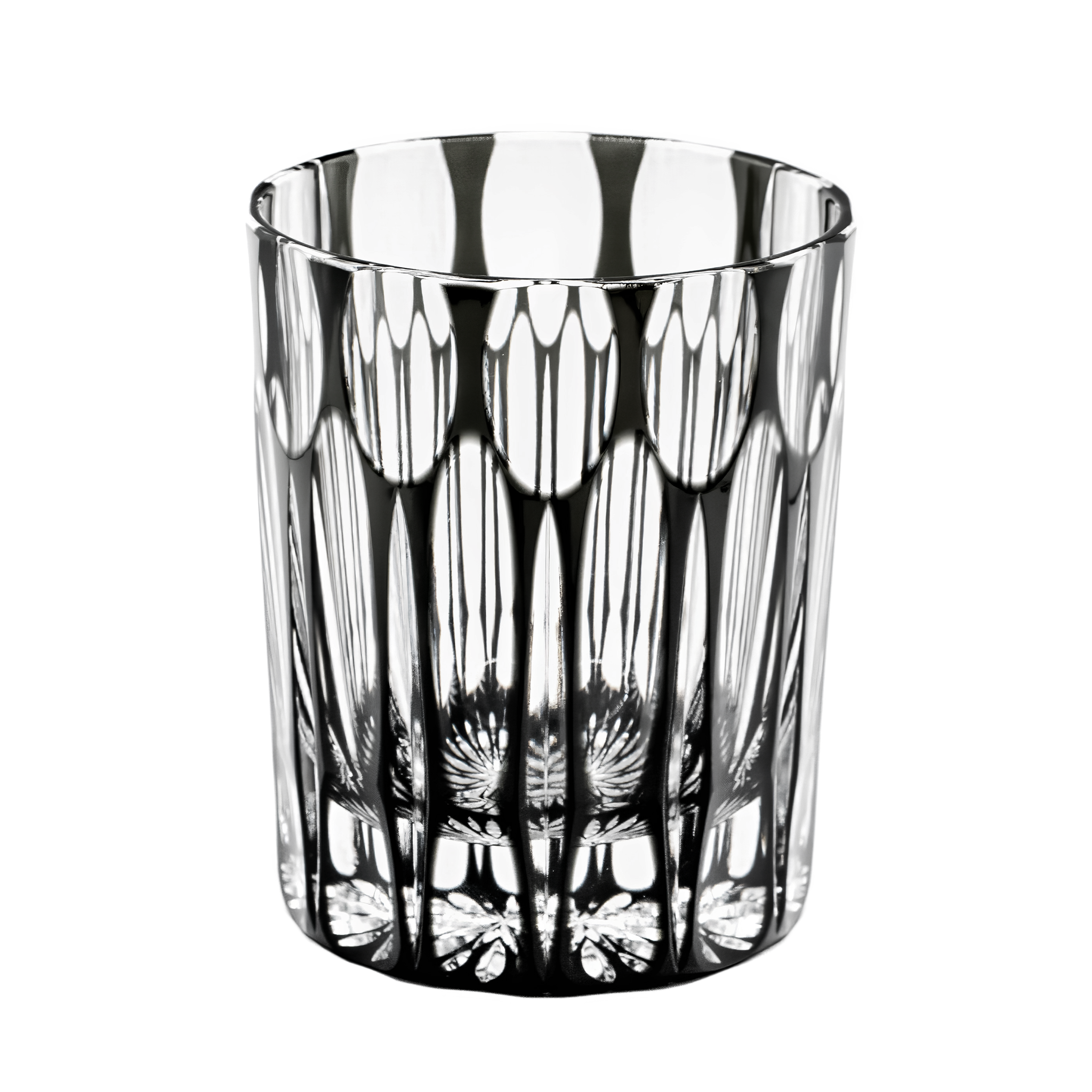
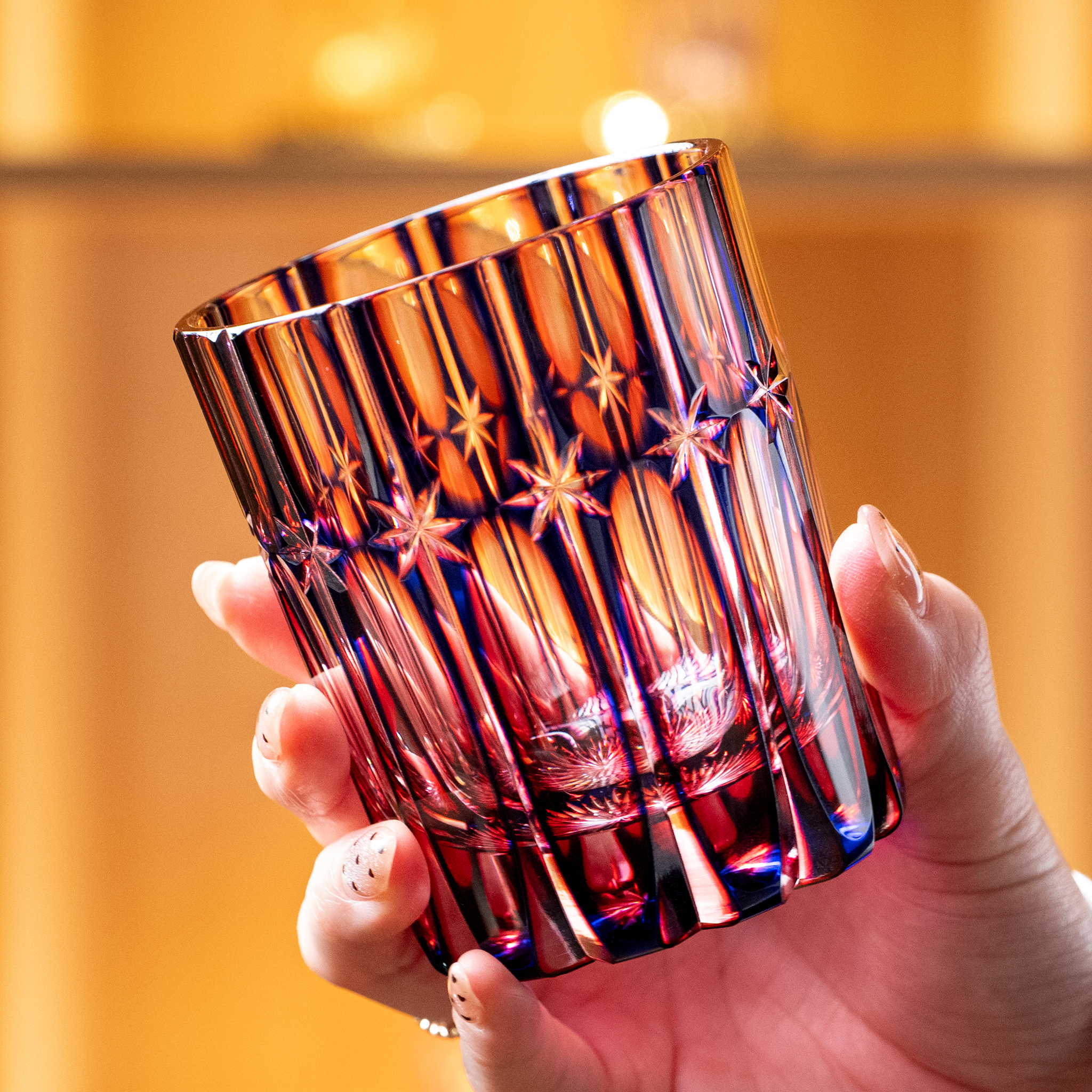
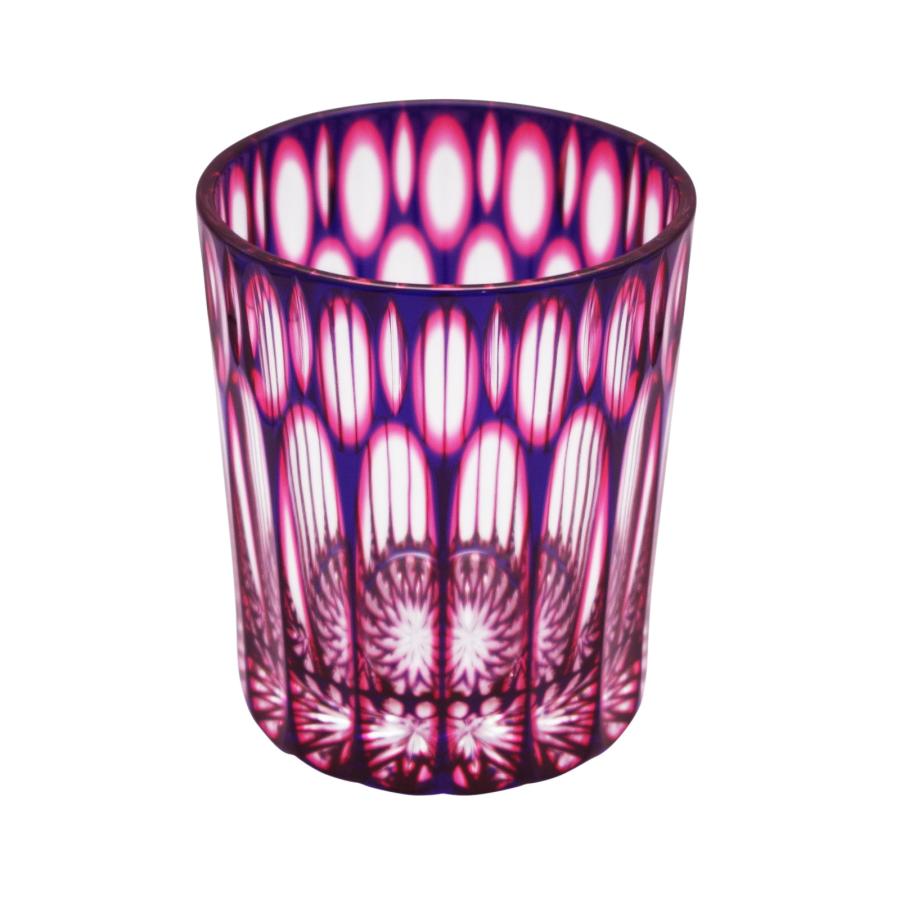
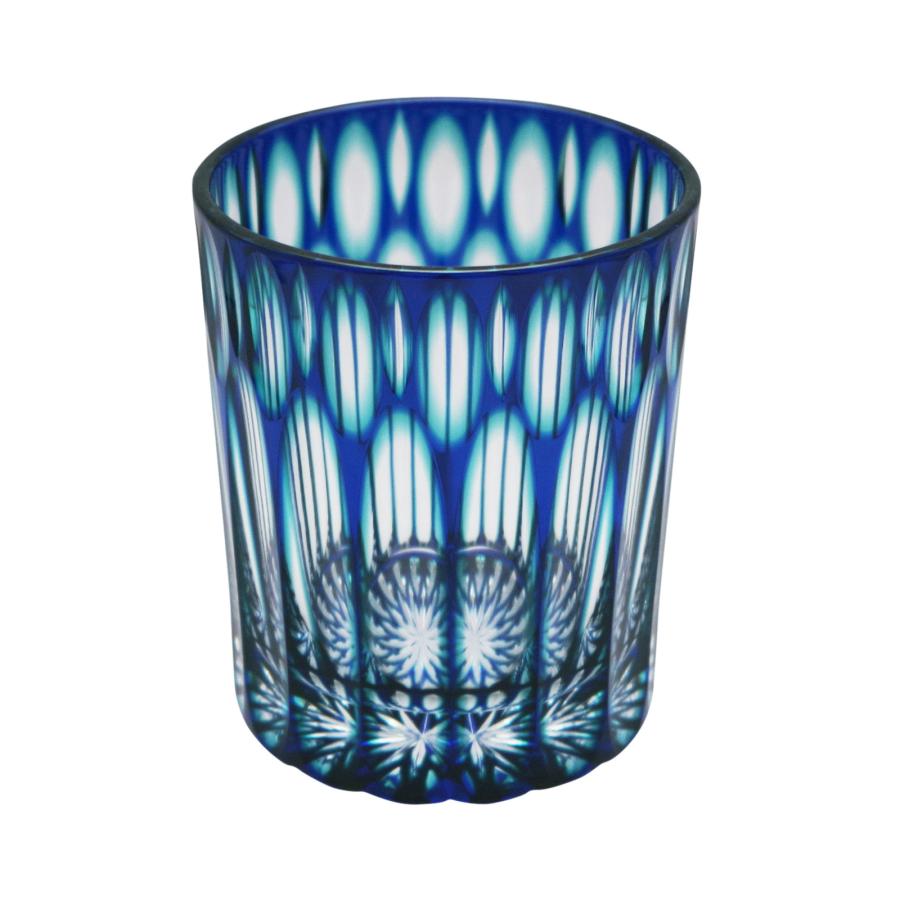
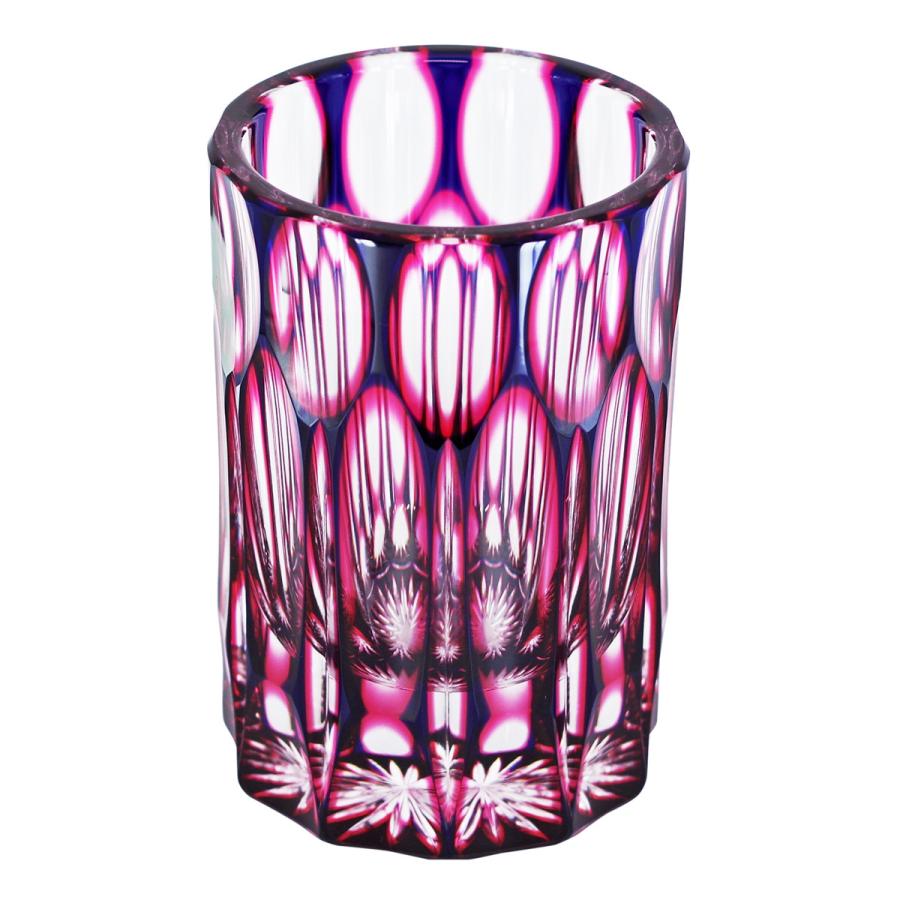
Around 1980, Takeichi joined a historic project to revive Satsuma Kiriko, a craft whose techniques had been lost for more than a century. This experience shaped his artistry deeply. Drawing on the traditional U-shaped carving technique, he refined his approach to create the brilliant, kaleidoscopic reflections that define Temma Kiriko today.
In 1998, Osaka’s largest glass trading company — Kamei Glass, also a driving force behind the Satsuma Kiriko revival — went out of business. As many wholesalers and workshops closed, the brothers struggled to keep their craft alive. Encouraged by local supporters, Takeichi launched their original RAU Collection, marking a new chapter for the brand.

In 2000, their work was officially named Temma Kiriko, in honor of the district where Osaka’s glassmaking began.
The Third Generation’s Mission to Carry Beauty Forward
In 2015, Kōji Ura became the third head of the atelier. His goal: not only to preserve the family’s techniques, but to make their craft relevant for today.
Under his leadership, Temma Kiriko gained new recognition both in Japan and abroad. In 2019, their CROWN Crystal Rocks Glasses were presented to world leaders at the G20 Osaka Summit, symbolizing Japan’s craftsmanship on the global stage.
The brand’s guiding belief, “Beauty in form, beauty in use,” was first articulated by his uncle Takeichi. It expresses that true beauty lies not only in what you see, but also in the experience of holding and using it. Kōji continues to deepen this philosophy, bringing it to life through new designs and experiences.
In 2023, the brand opened TEMMA KIRIKO UX, a combined bar and boutique where visitors can experience this harmony of artistry and function firsthand.

Temma Kiriko Today: A Living Craft Passed Through Generations
The Ura family’s craft is now more than 90 years old, yet tradition here is not something preserved behind glass. It’s alive, evolving, and passed on through the hands of young artisans at Atelier RAU, who continue to create pieces for everyday life and future generations.
When you hold a Temma Kiriko glass, you feel its weight — not just of material, but of time, care, and intention.
Each cut that catches the light seems to whisper the same message: you are holding a piece of Osaka’s glassmaking history that almost disappeared, yet still shines today.