Key points:
- Sake, also known as “nihonshu,” is the national drink of Japan and is made from fermented rice.
- When drinking sake, remember to take care of others and pour for them first.
- From weddings to work parties, people drink sake in a variety of celebrations. You may even encounter seasonal sake events.
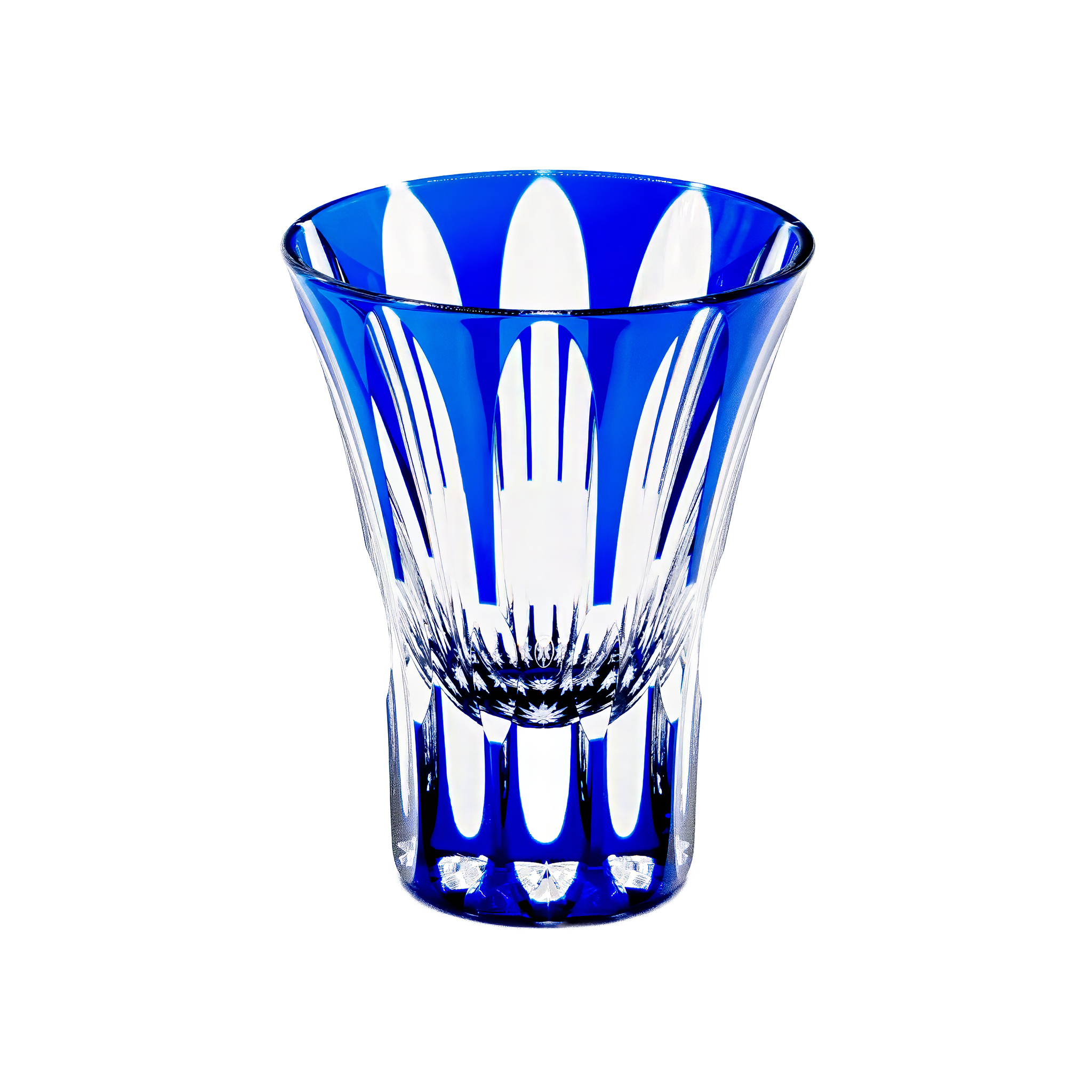
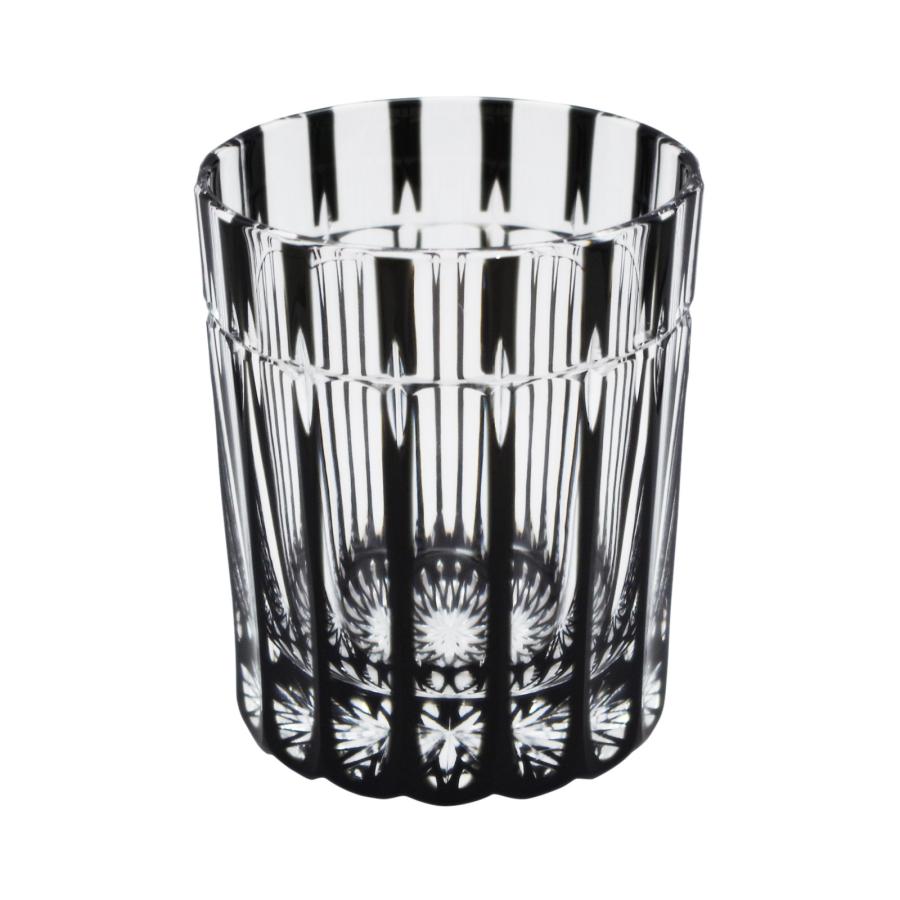
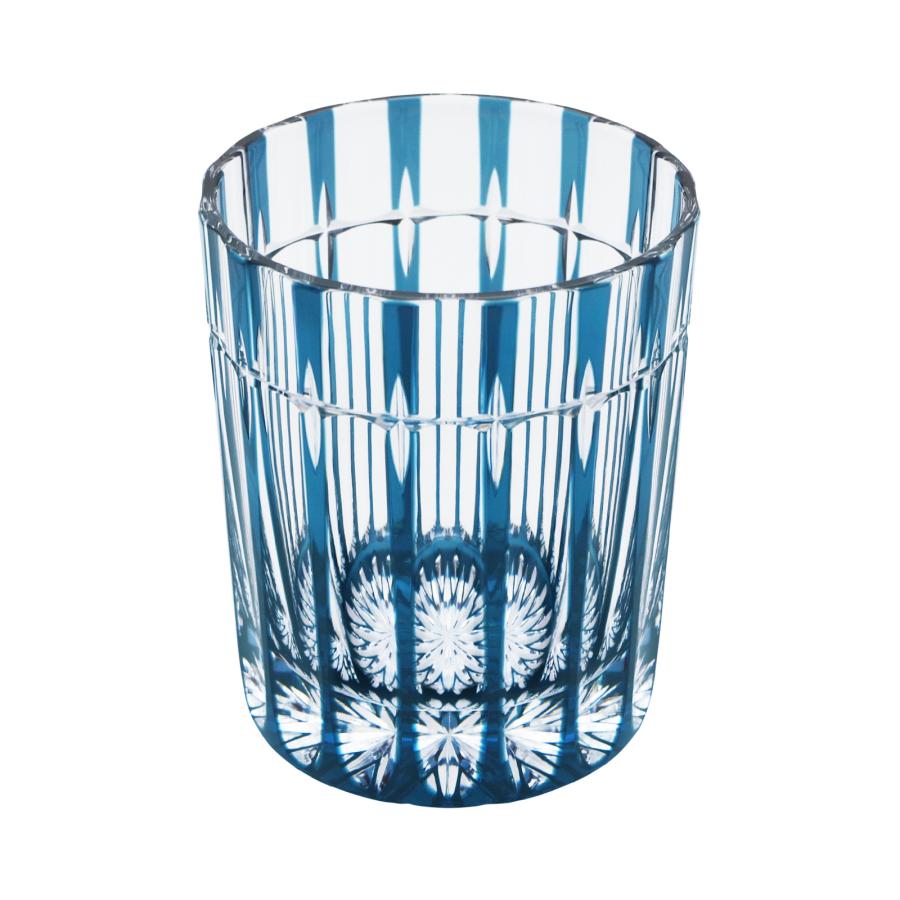
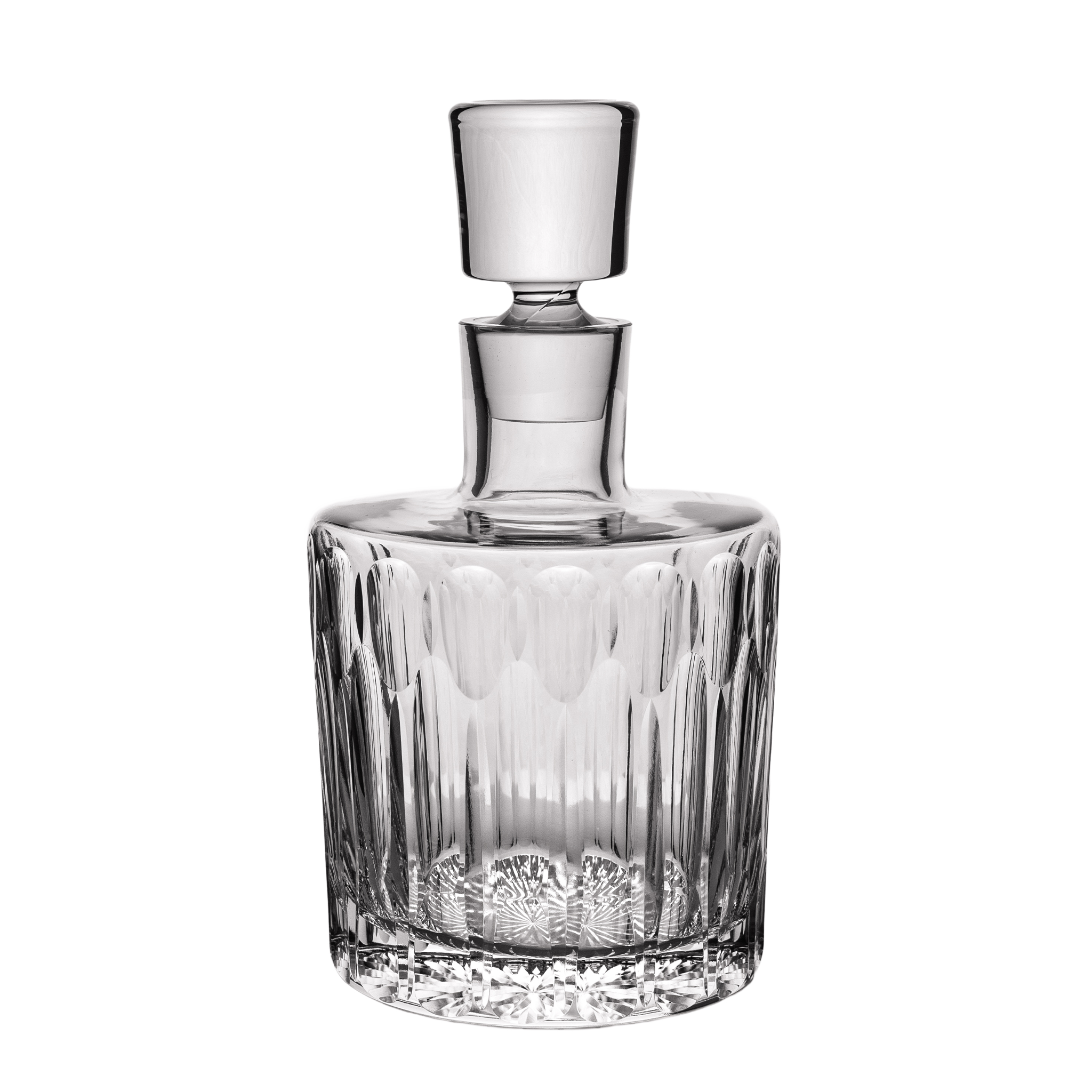
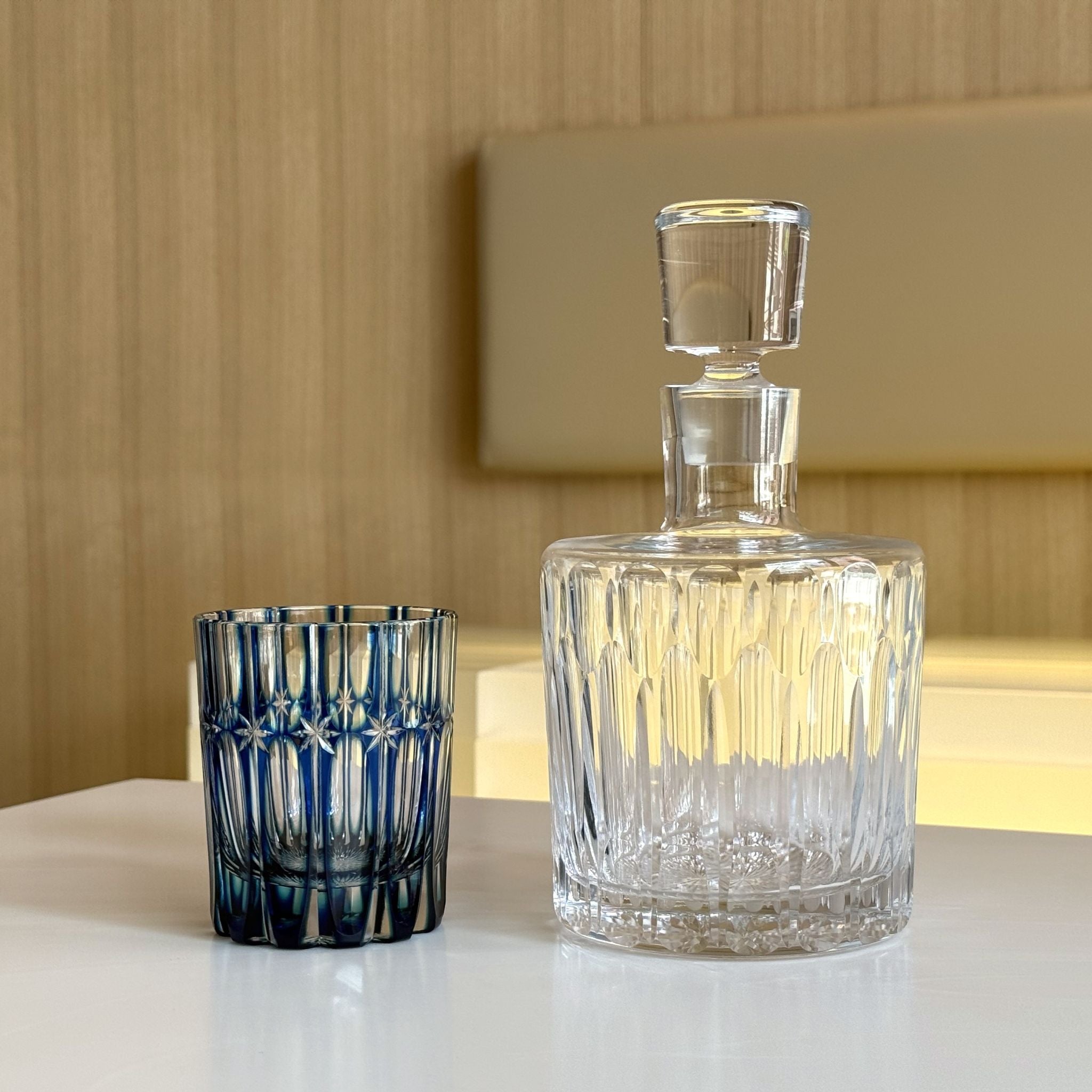
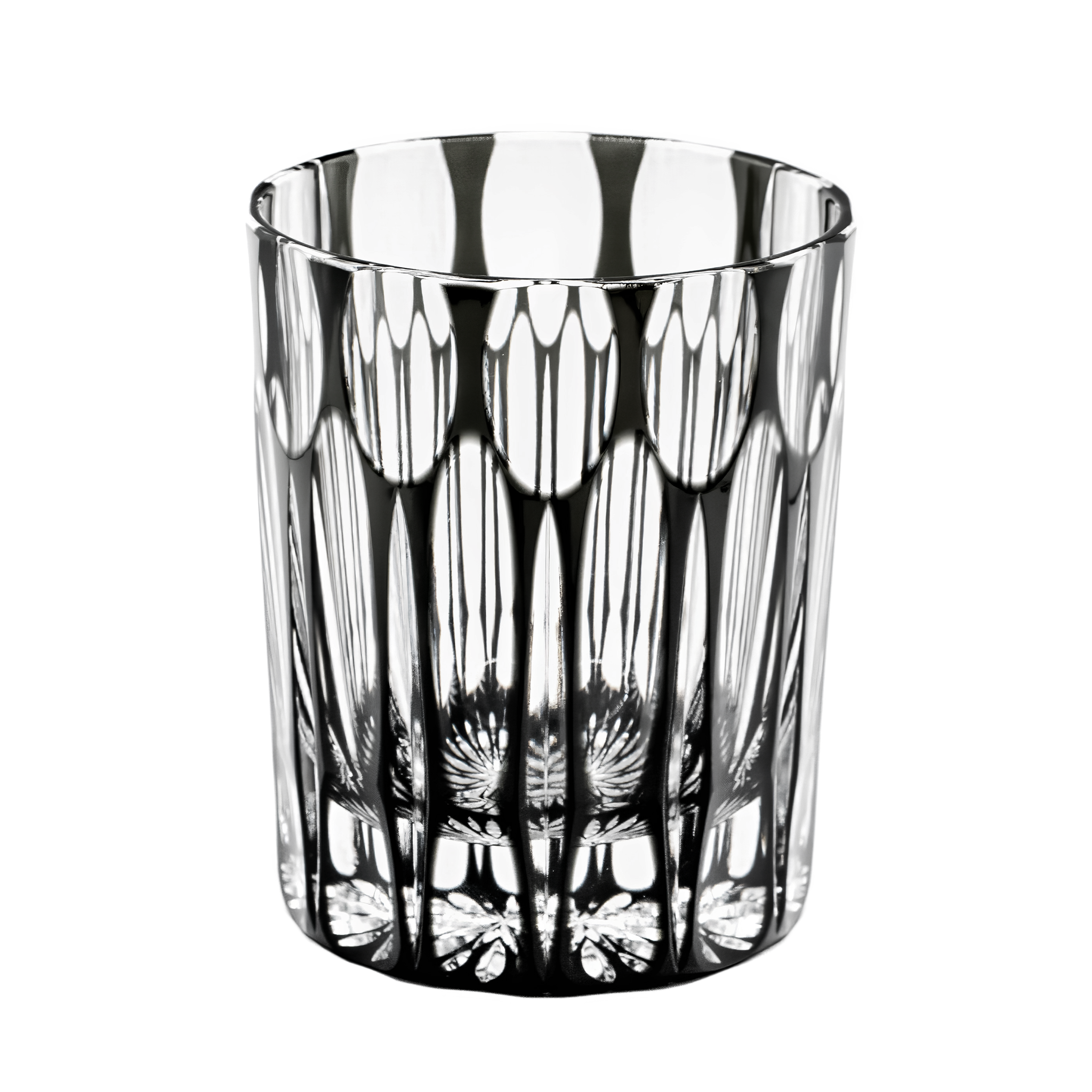
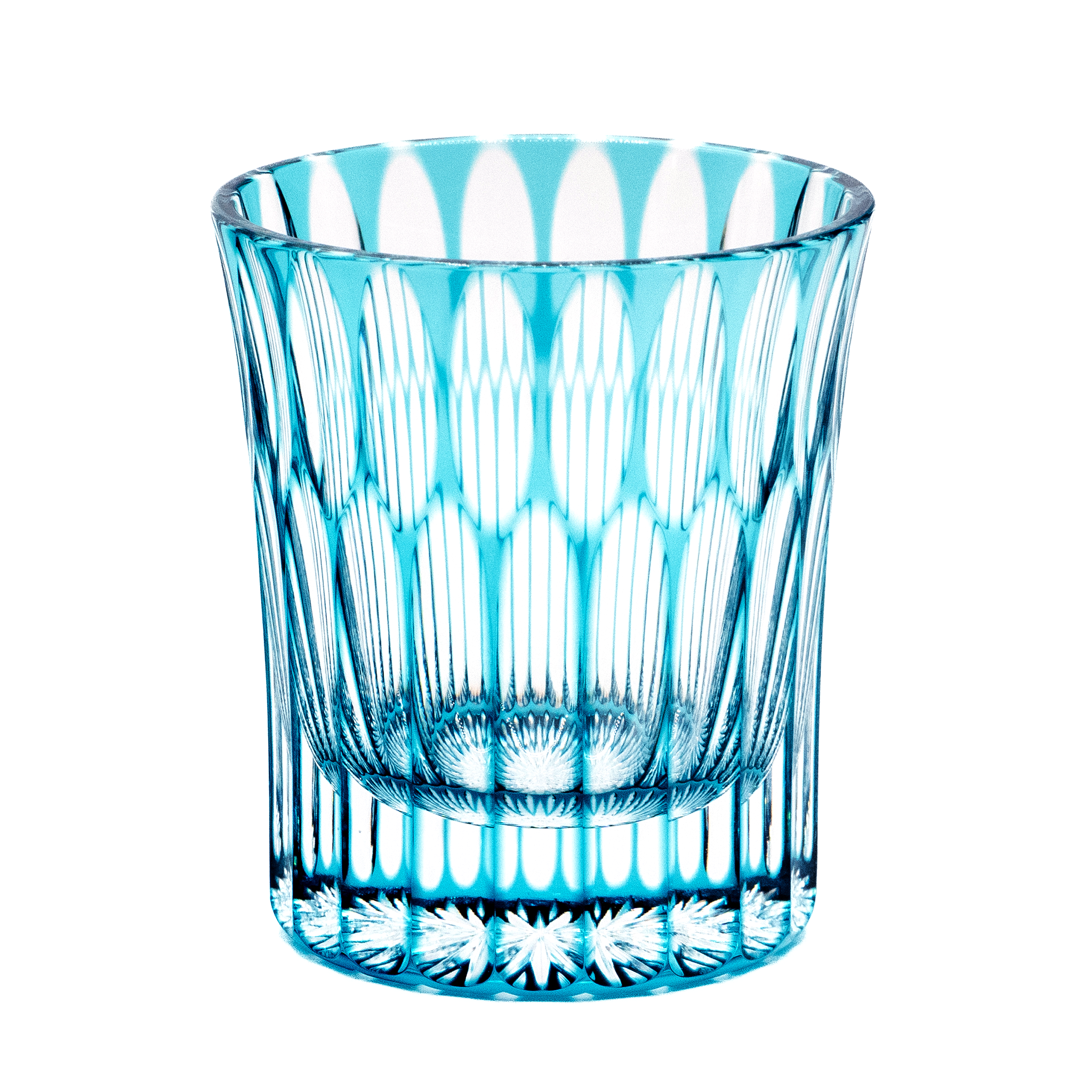
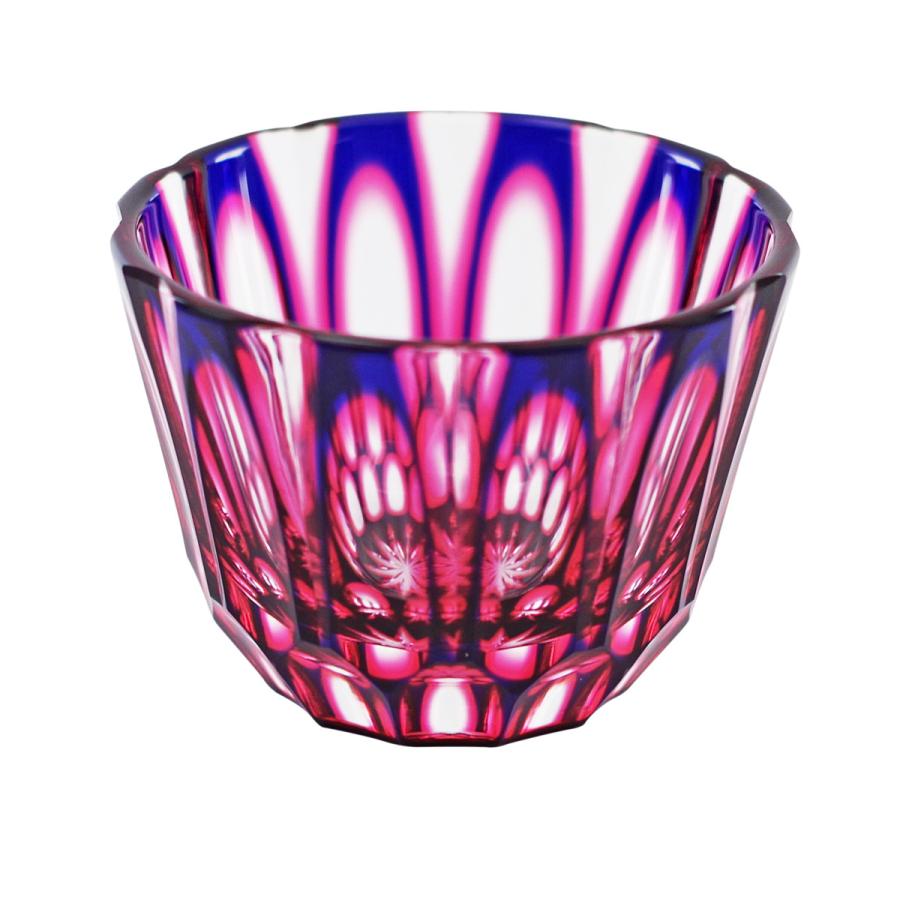
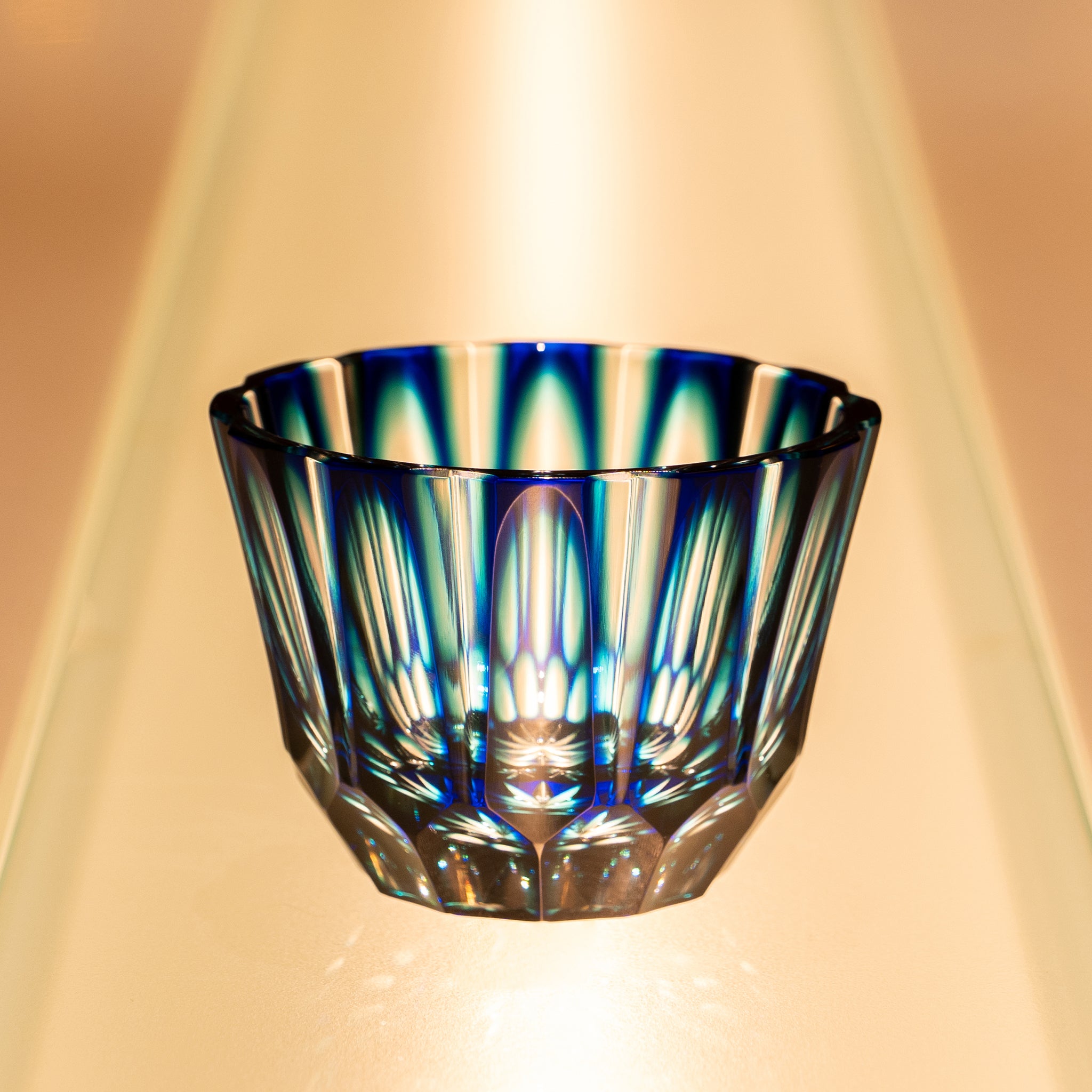
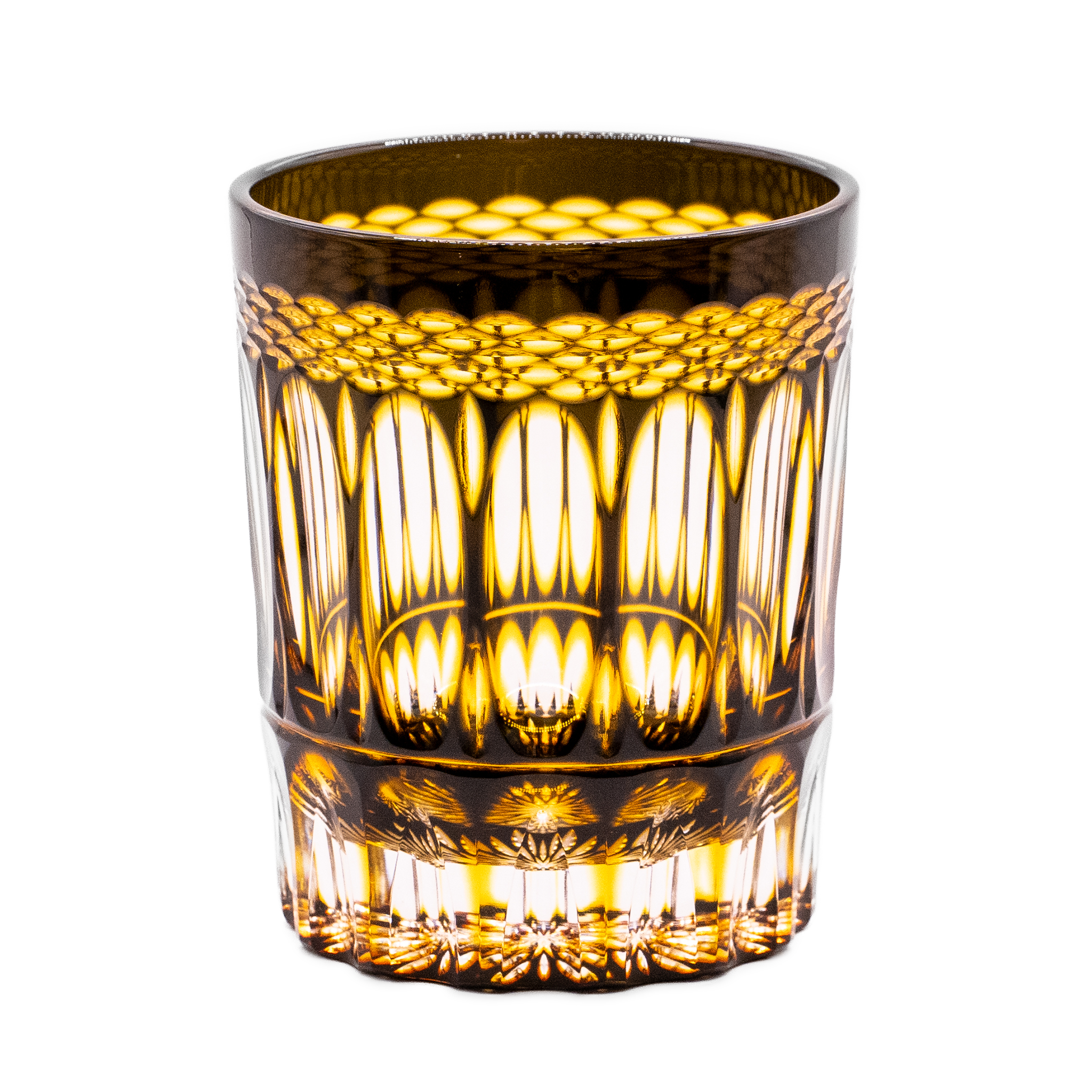
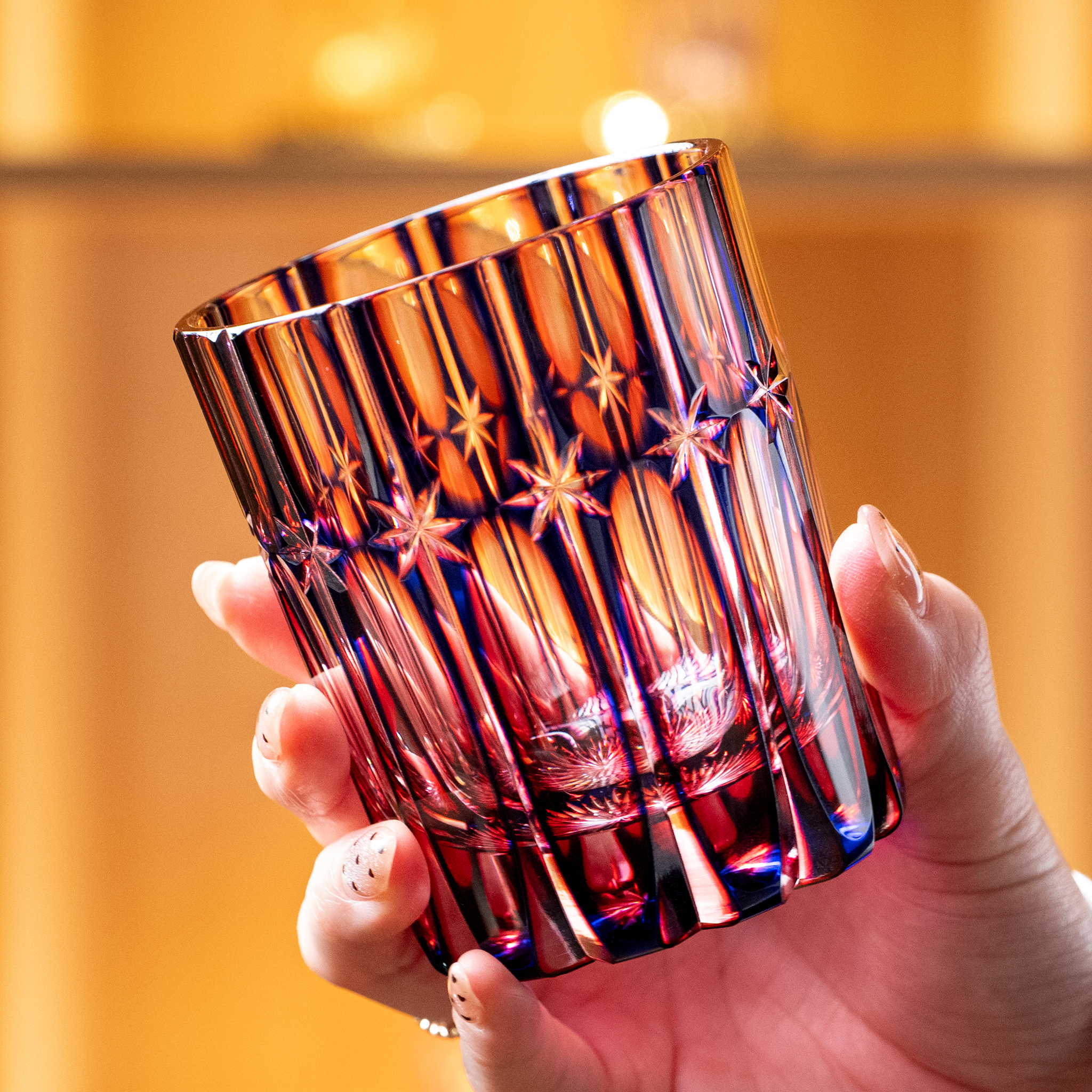
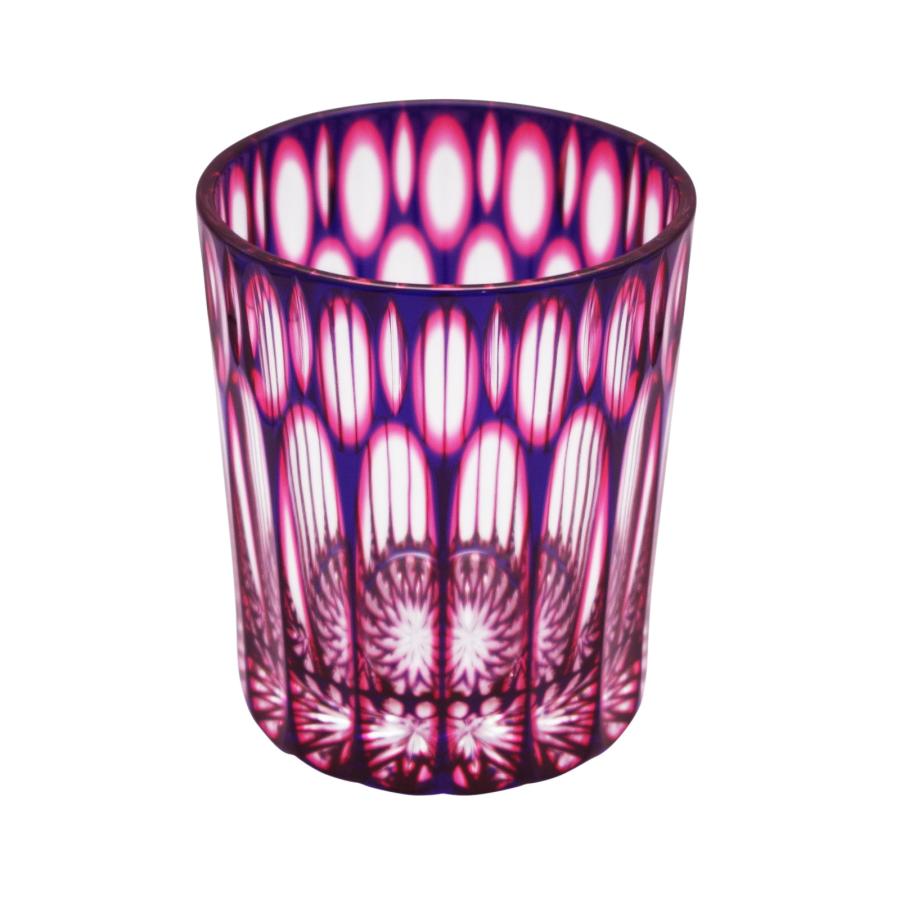
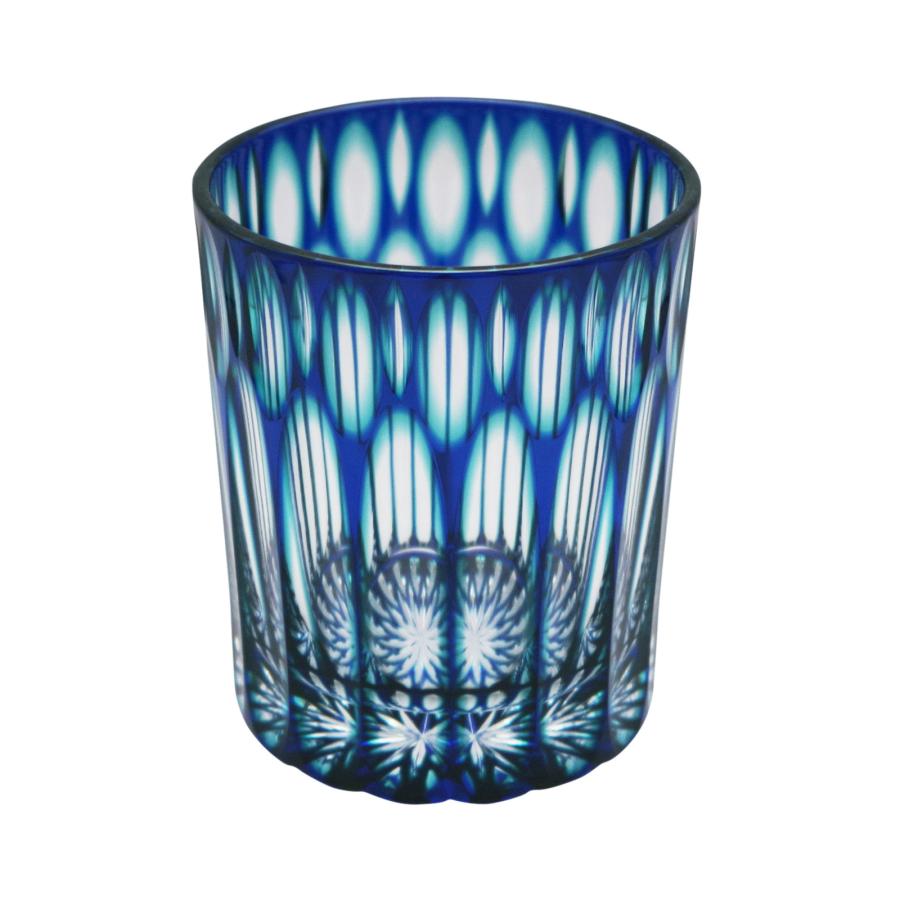
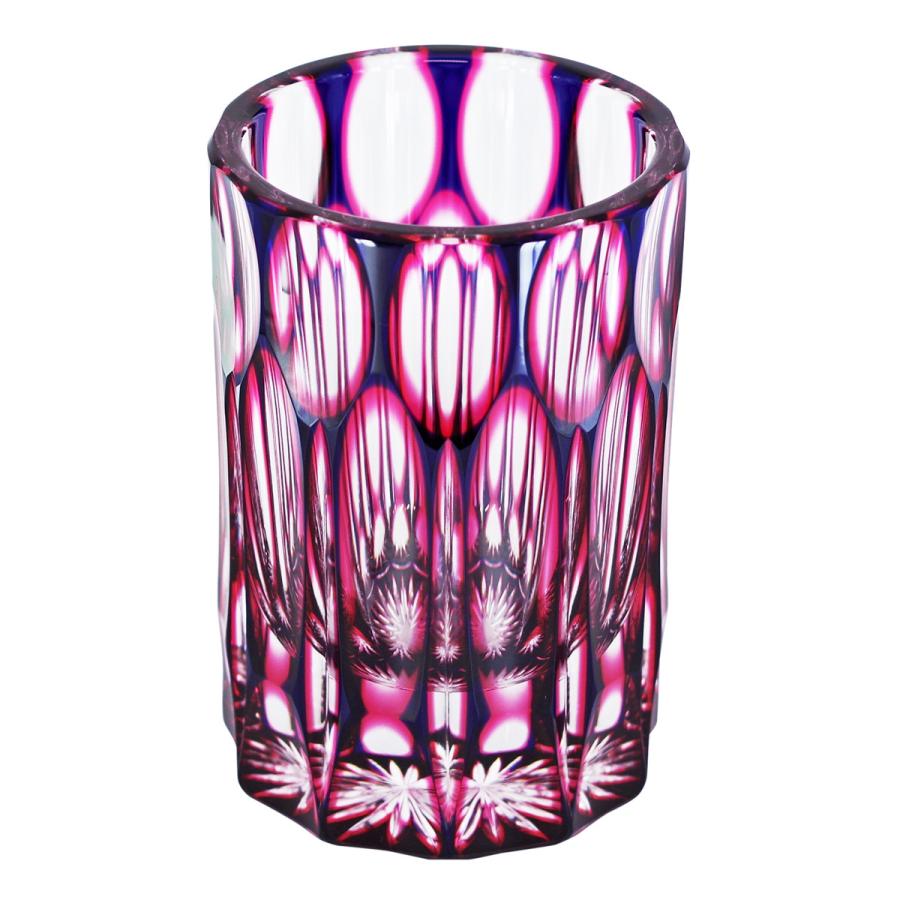
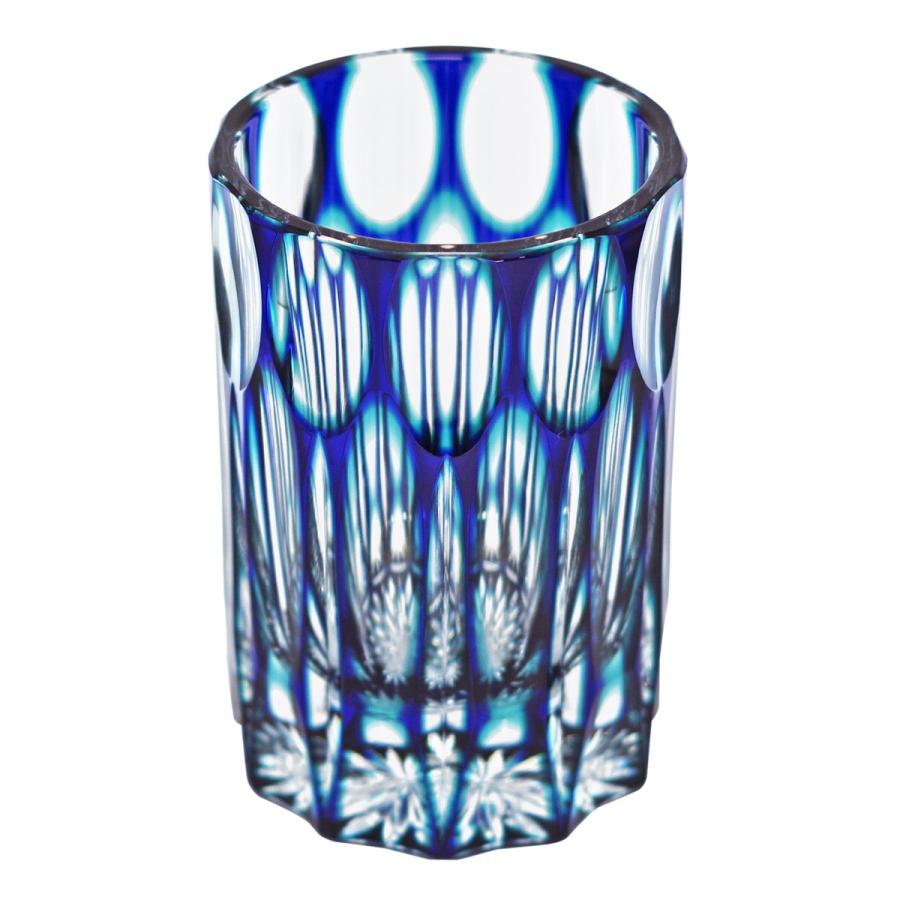
- Temma Kiriko offers handcrafted glassware that creates a kaleidoscopic effect as you pour, great for sake enthusiasts looking for a new drinking experience.
Wondering how to properly drink sake? Whether you’re at a specialty bar in your hometown, plan on visiting an izakaya in Japan, or want to host your own party, this blog brings you some tips on how to best enjoy sake. Below, we’ll discuss:
- What sake is
- The various sake flavors
- Etiquette tips on how to enjoy and share sake
- Drinking culture in Japan
- Which cups or glasses to use
If you’re looking for a unique sake experience, explore luxury kiriko glasses handcrafted in Osaka by Temma Kiriko’s specialized artisans.

What is sake or nihonshu?
While in English-speaking countries people often use the word “sake,” the Japanese word for it is “nihonshu.” Nihonshu, the national beverage of Japan, is a drink brewed from rice with an alcohol content of 14% to 21%.
People drink sake during traditional meals or at celebrations like weddings, company parties, and New Year gatherings. The sake brewing tradition in Japan is so special that UNESCO added it to their heritage list, according to the Japan Times.
If you ever travel to Japan, the word “sake” there is similar to the word “alcohol” you might use back at home. It’s a catch-all to refer to various types of liquor like beer, vodka, whiskey, and yes, even nihonshu. In this blog, we’ll stick to the more commonly used word “sake” to keep things simple.
How is sake made?
To make sake, brewers use “koji” mold to convert the rice starches to sugar, then add yeast to ferment these sugars. You may have even heard it called “rice wine” or “sake wine,” but this brewing process makes sake closer to beer than wine.


Are there different sake flavors?
Just like beer or wine, sake comes in a wide variety of types and flavors, depending on the brewing method, region, yeast strain, or aging. Here are some flavors you may encounter, each suitable for a different palate:
- Aromatic: Features a flowery or fruity aroma, with a soft sweetness and mild acidity. You may enjoy it if you like white wine.
- Aged: Has a stronger aroma like spices or dried fruits with a more mature acidity. Recommended for fans of stronger liquors like aged whiskey.
- Smooth: Has a delicate aroma and mild sweetness. It won’t linger on your palate. Try it if you enjoy light beers or sparkling wine.
-
Rich: Comes with a woody aroma and a richer sweetness, acidity, and umami flavor. If you love red wine, this may be the choice for you.
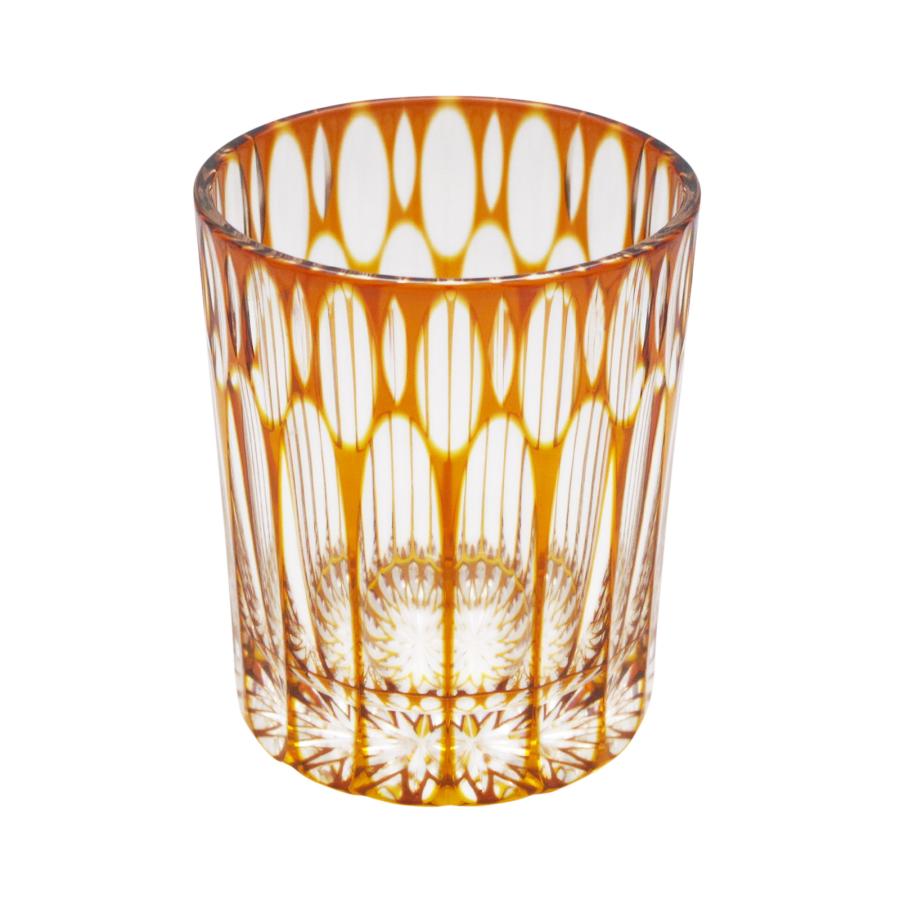
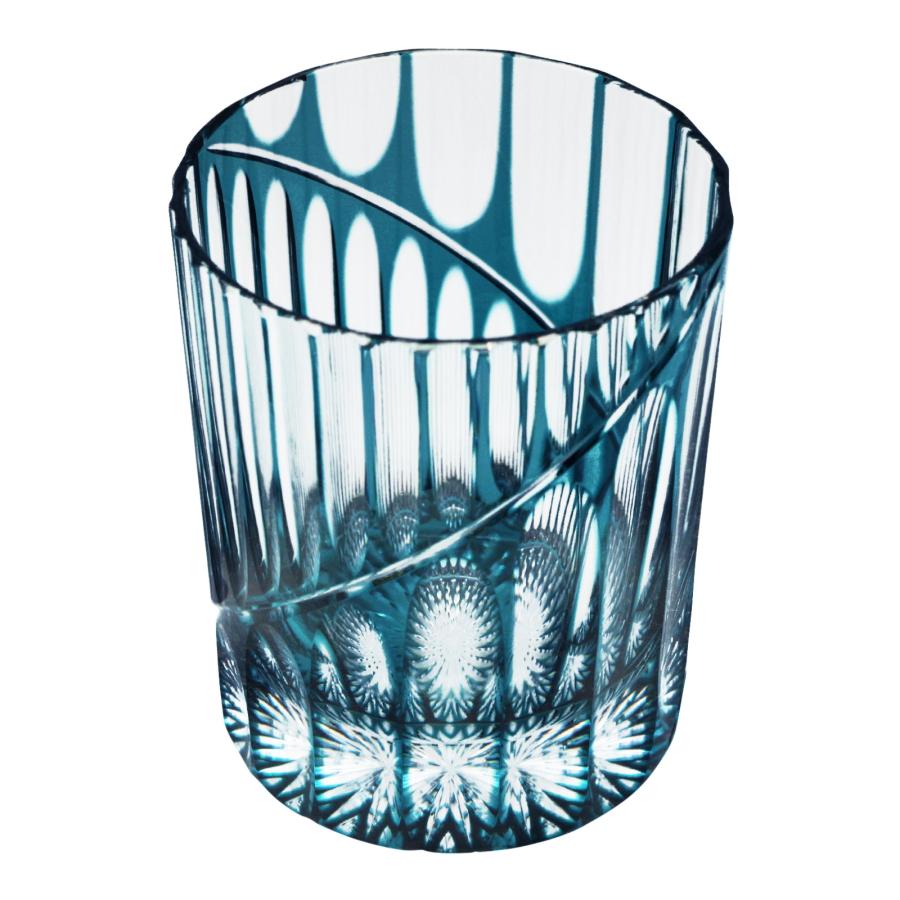
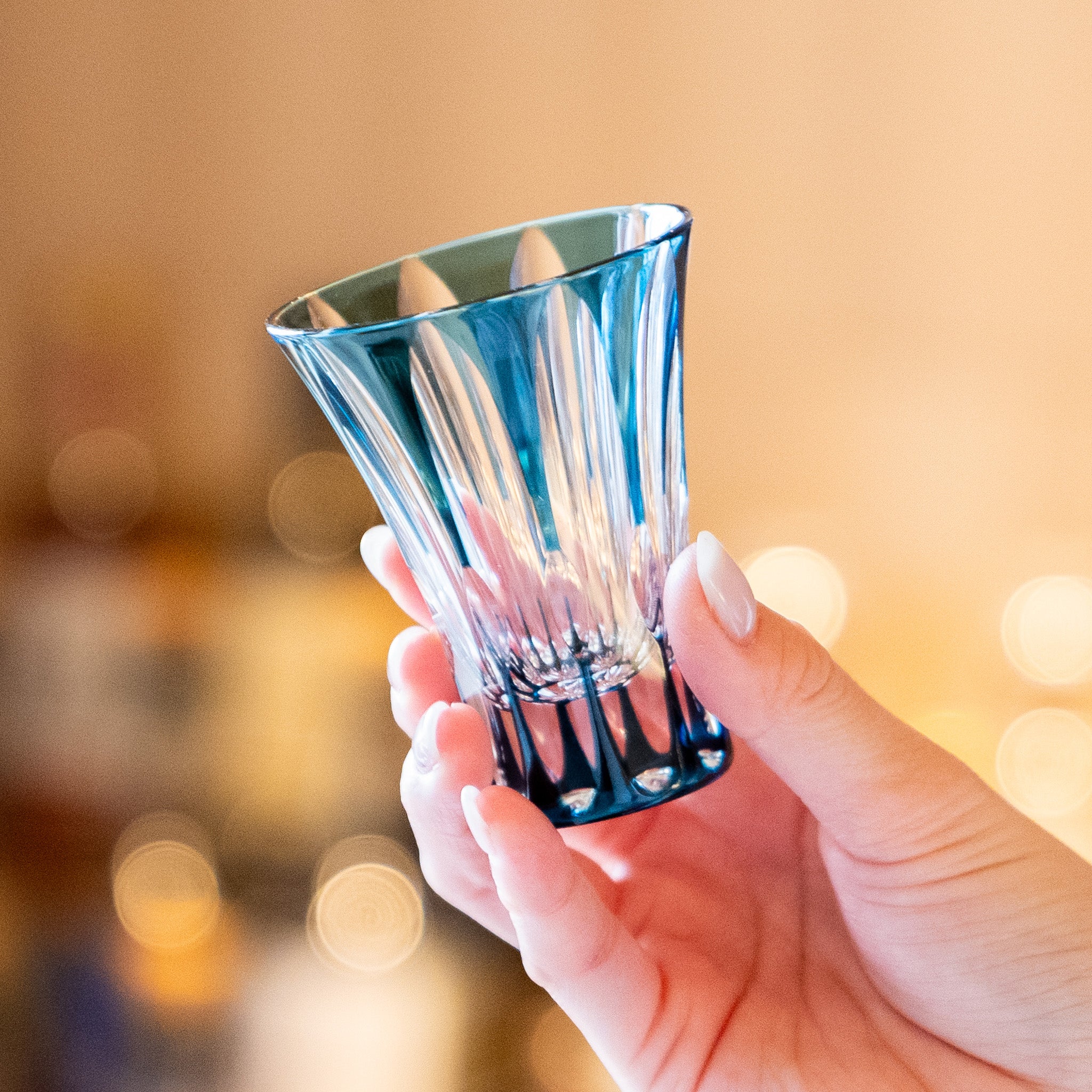
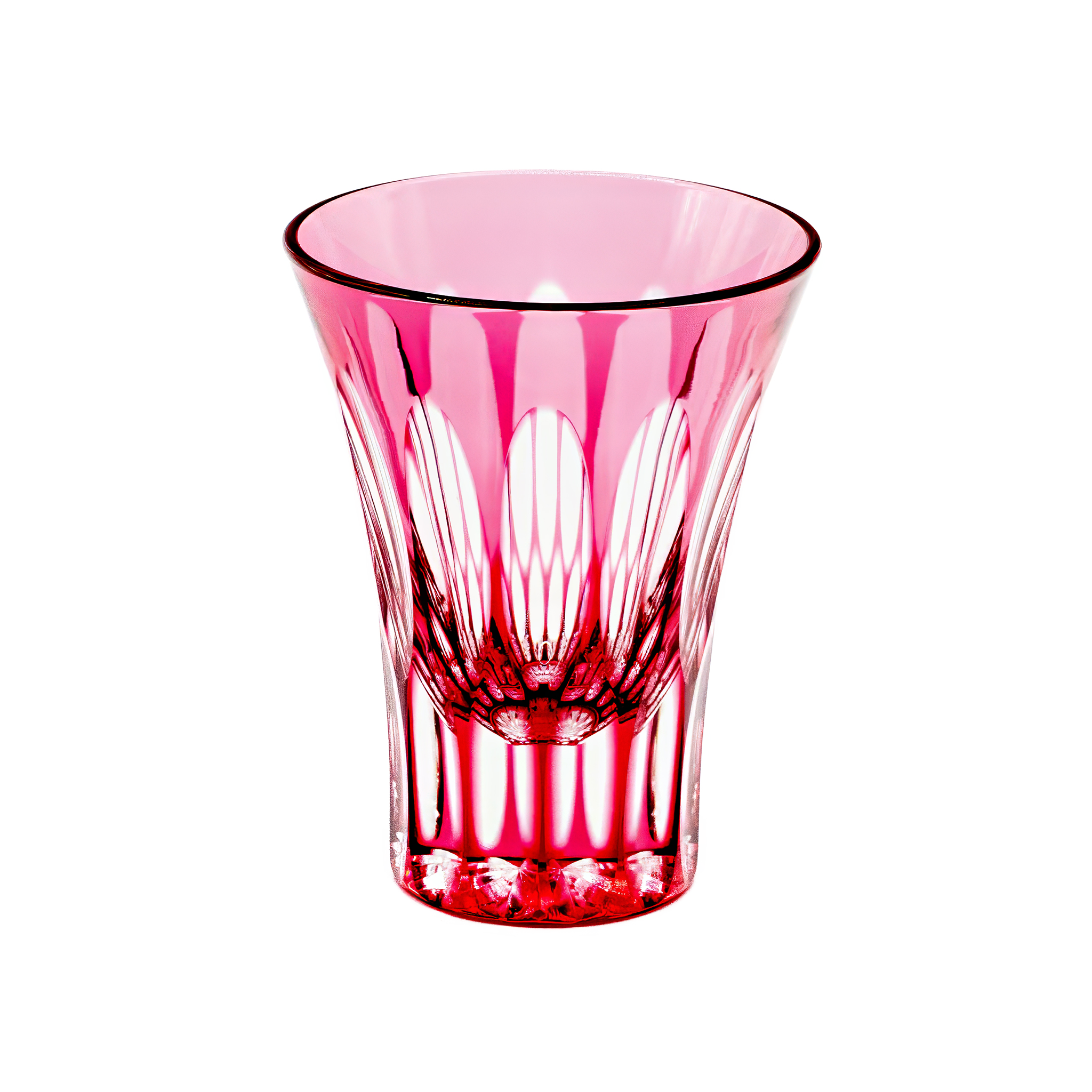
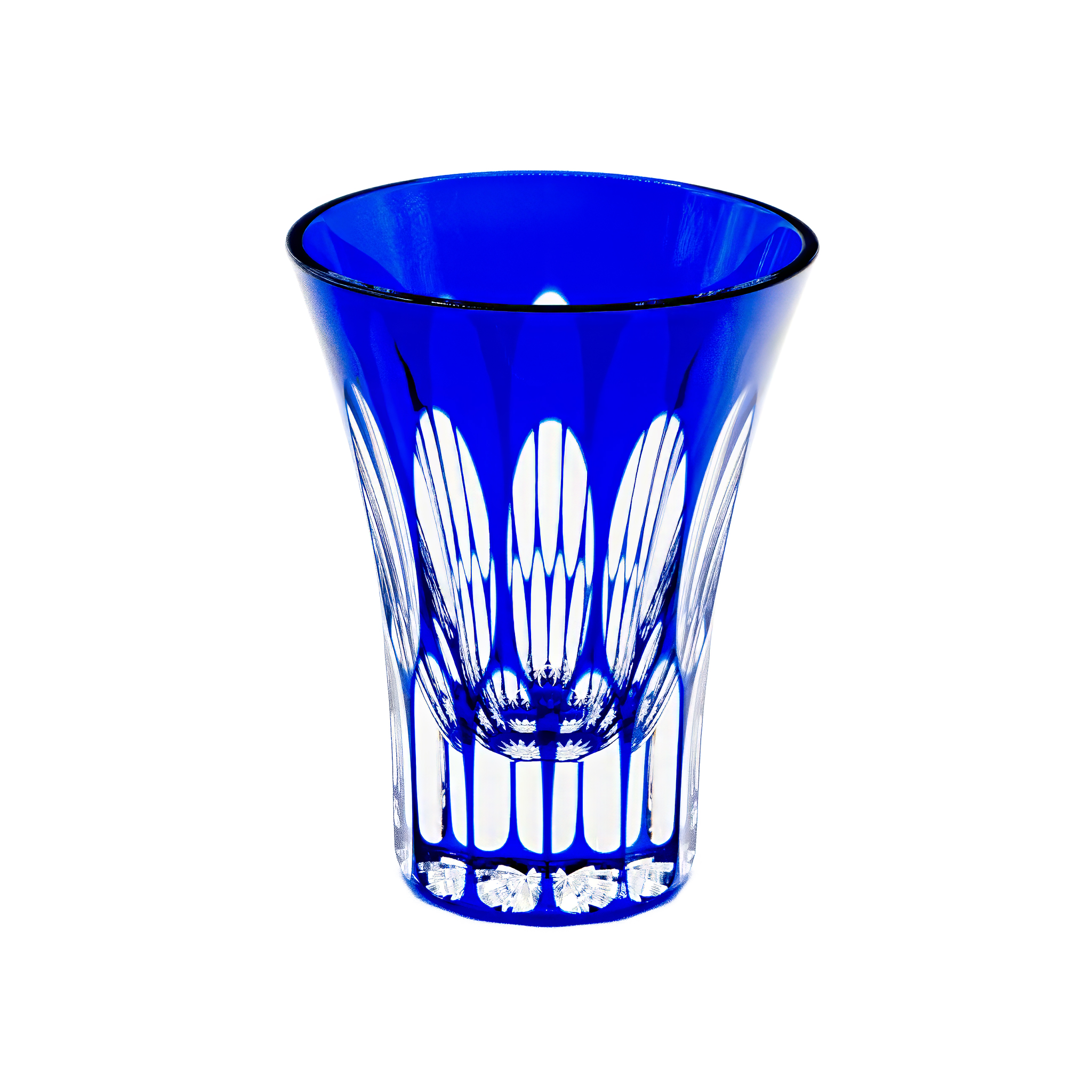
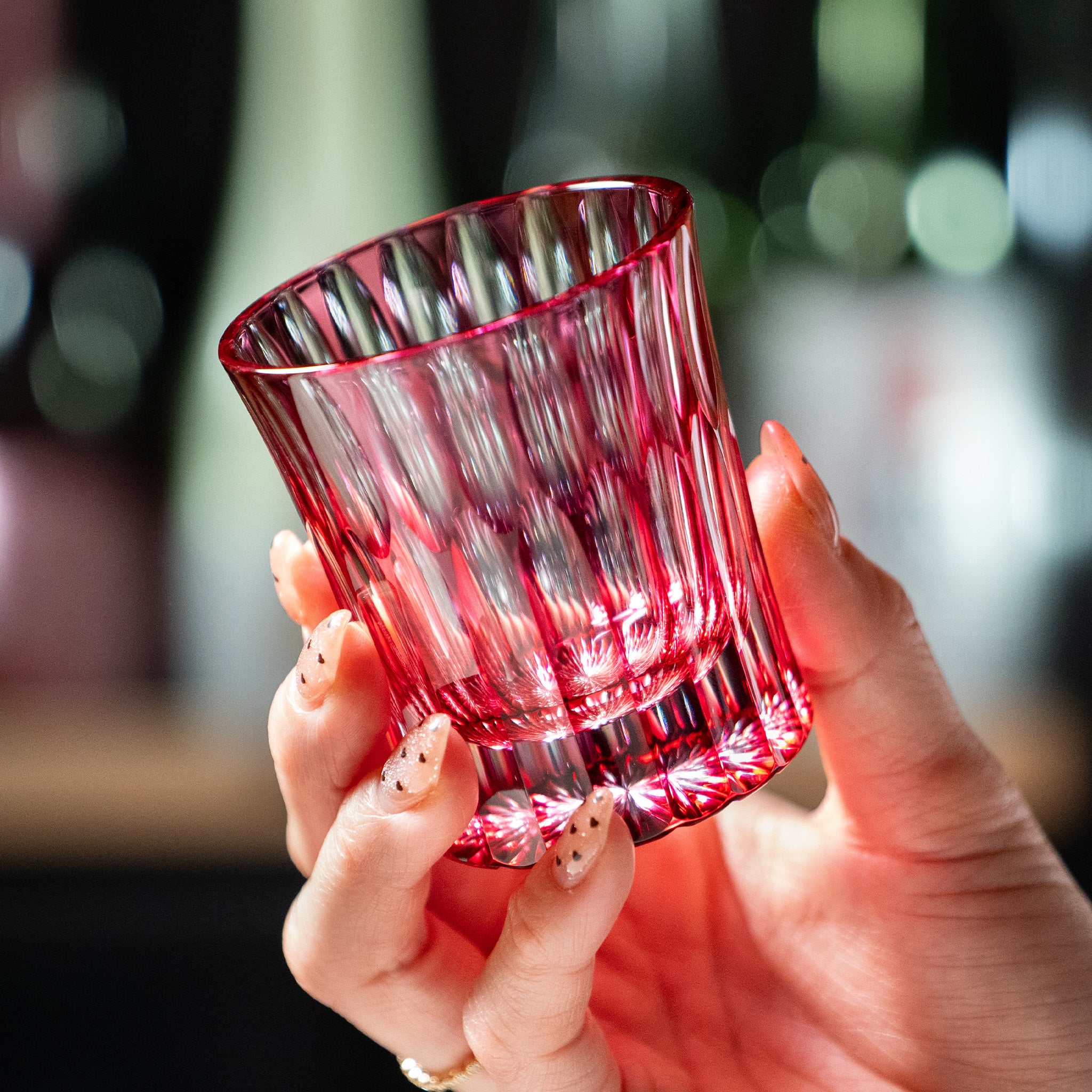
Bartender tip: The glass you drink from can affect the sake flavor. For example, some kiriko glasses (artisanal Japanese cut crystal) can create a gentler feel as you drink. Sake enthusiasts opt for glasses like Temma Kiriko's artisanal kiriko glasses, featuring detailed geometric patterns meant to catch the light as you pour.

How to drink sake the right way
So, how do people in Japan generally drink sake? There is a generally accepted culture around drinking sake that highlights these values:
- Community
- Bonding
- Hierarchy
Sake is often enjoyed in a group setting. Coworkers, friends, or families can visit an izakaya, bar, or high-end restaurant and order sake, which often comes in a ceramic vessel called “tokkuri.” Of course, if you travel solo, you can also enjoy sake on your own. If you are not sure which sake to order, ask the staff for their recommendation. Friendly locals also like helping visitors and may share their recommendations. In fact, ordering sake is often a great way to meet some locals.

Japanese drinking culture
In Japan, people are often mindful of taking care of others. It’s no different when drinking sake. You’ll rarely see a person pouring for themselves if they are part of a group. In fact, it could be considered rude. So if you want to participate in the local culture, keep in mind these tips:
- Try not to pour the sake for yourself if you’re part of a group
- When a friend or coworker’s cup or kiriko glass is empty, you can pour more sake for them. You’ll notice someone will do the same for you and make sure your glass is always full.
- Hierarchy is very important in Japan. Employees often will pour for a senior coworker or boss. You’ll get extra points if you remember to pour for your manager or boss.
As Travel Japan mentions:
“When pouring [sake] for a superior, hold the tokkuri with your right hand while touching the bottom with your left. When receiving sake from a superior, place one hand under the cup and hold the side with your other.”

Bartender tip: Don’t overthink it. Izakaya and bar culture in Japan is warm and welcoming. People understand visitors may not know every etiquette detail. If you share a drink with a new friend, someone may even take you under their wing and show you the ropes!
What should I drink sake from?
Generally, you can drink sake from these types of cups:
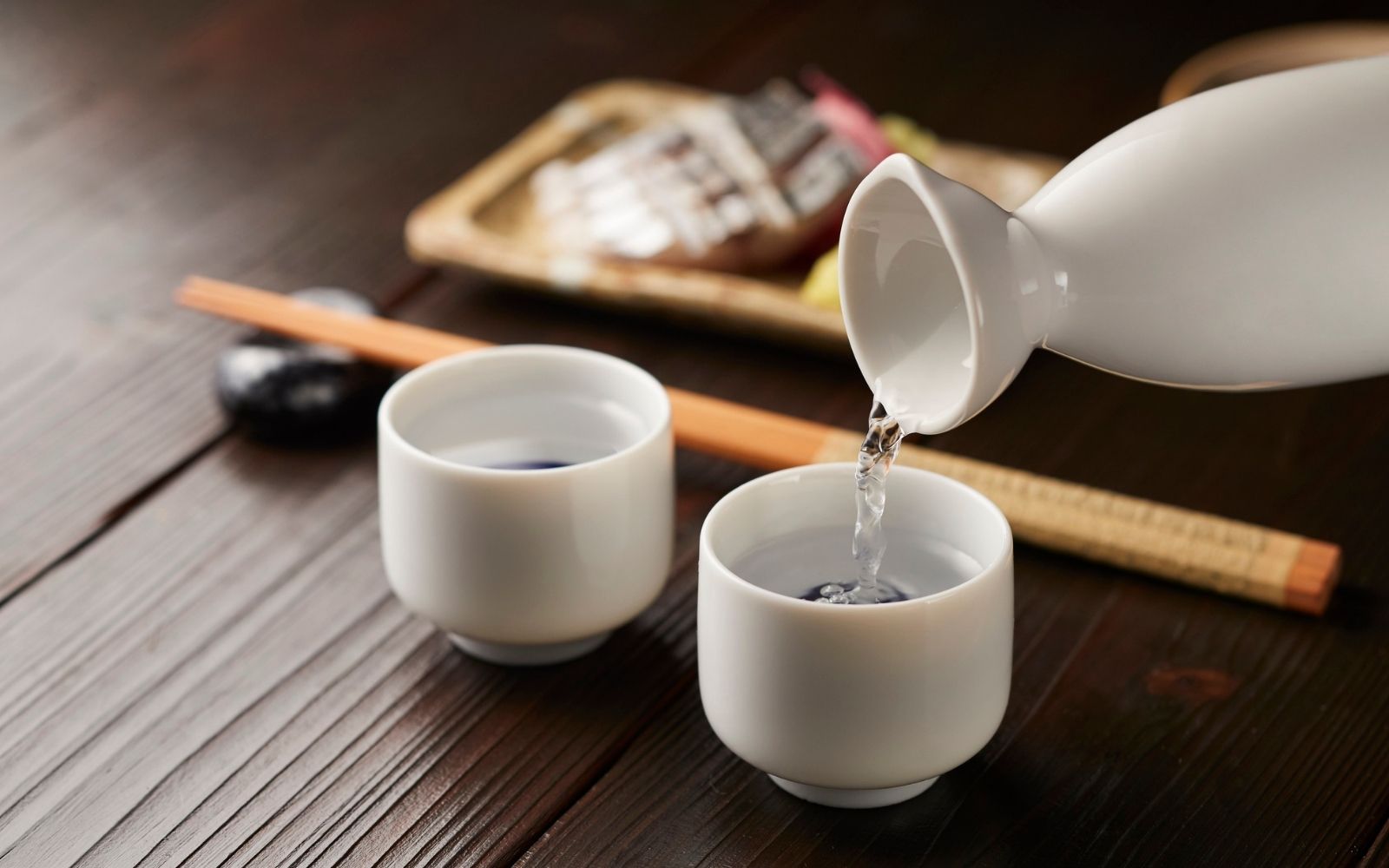
Ceramic cups: You may be familiar with the small ceramic cups that often come with a sake order at a Japanese bar or izakaya. Their petite size helps with pacing and ensures people are continuously pouring for each other.
Wooden boxes called “masu”: Less common at establishments, masu is used in ceremonial or more traditional settings, like at a local festival or shrine celebration.
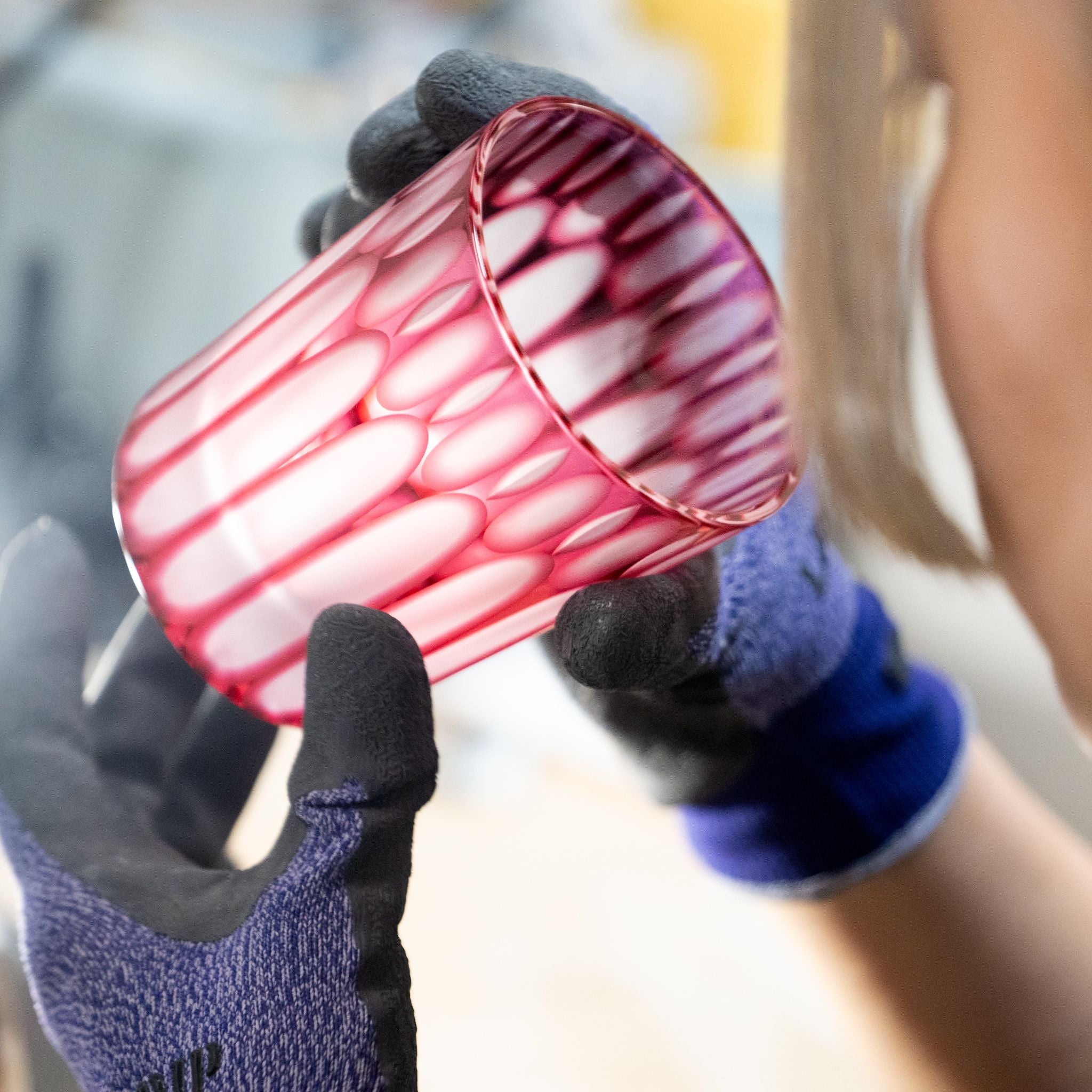
Kiriko glasses: For the true sake connoisseur, these artisanal glasses are crafted in a way that show off light-catching patterns. The experience starts with the pour, as you watch the sake reveal a pattern and continues with each sip, as the rim softens the feel of the sake on your lips.

Bartender tip: When considering temperature, try serving premium sake chilled to preserve its delicate aroma and flavor.
Sake and Japanese traditions
As mentioned earlier, in Japan you’ll likely get to enjoy sake if you attend a wedding or special celebration. If you visit Japan during cherry blossom season, you may experience a beloved tradition called “hanami.” “Hanami” are cherry-blossom-viewing gatherings where people sit under the cherry-blossom or “sakura” trees and enjoy community while sharing drinks.
During the summer, people can enjoy chilled sake at festivals, making it a refreshing drink. Winter shrine celebrations may feature warm sake, helping the shrine visitors warm up.
Looking for a new way to enjoy sake? Temma Kiriko artisans use a traditional technique to create light-catching patterns on sake glassware known as kiriko glass. Consider adding it to your collection or gifting it to a sake enthusiast friend.

Akihiro Tsuda
Bartender | Director of Temma Kiriko Co., Ltd.
A true sake devotee who loves the drink so deeply that he often visits the breweries behind his favorite labels. Based in Osaka, he runs a bar where drinks are served in Temma Kiriko glassware (the traditional Japanese cut glass art form). He is also involved in the planning and supervision of the glassware.